
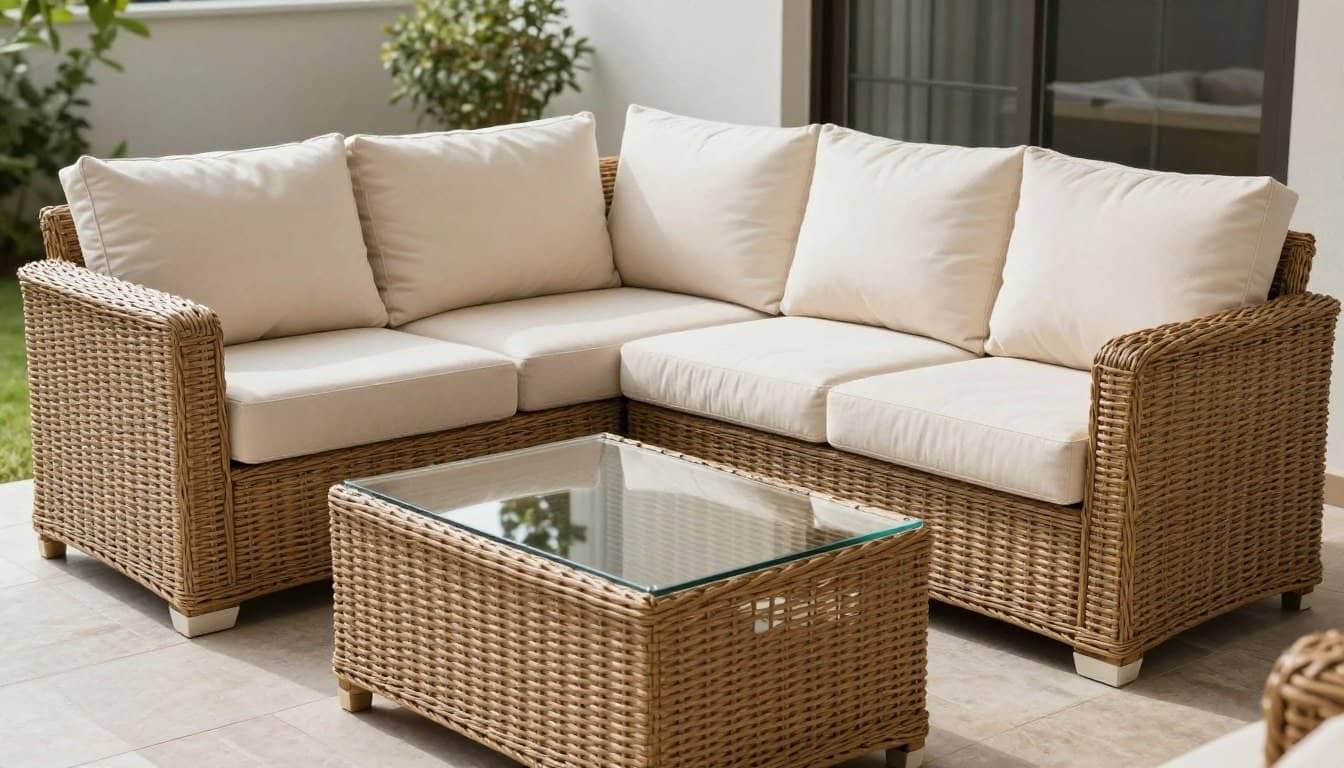
Cleaning, Maintenance and Longevity Tips
Proper wicker care is essential for maintaining the beauty and extending the life of your furniture. Whether you have natural rattan pieces or synthetic outdoor wicker, this comprehensive guide will walk you through everything you need to know about cleaning, protecting, and preserving your wicker furniture. With the right care routine, your wicker pieces can remain beautiful and functional for many years to come.
Why Proper Wicker Care Matters
Investing time in proper wicker care pays dividends in both the appearance and longevity of your furniture. Natural materials like rattan, bamboo, and cane require specific maintenance to prevent deterioration, while even synthetic wicker benefits from regular attention.
Extending Furniture Longevity
With proper care, wicker furniture can last for decades. Regular cleaning prevents dirt build-up that can wear down fibers over time. Moisture control prevents warping and structural damage, while proper storage during harsh weather protects your investment from premature aging.
Preserving Appearance
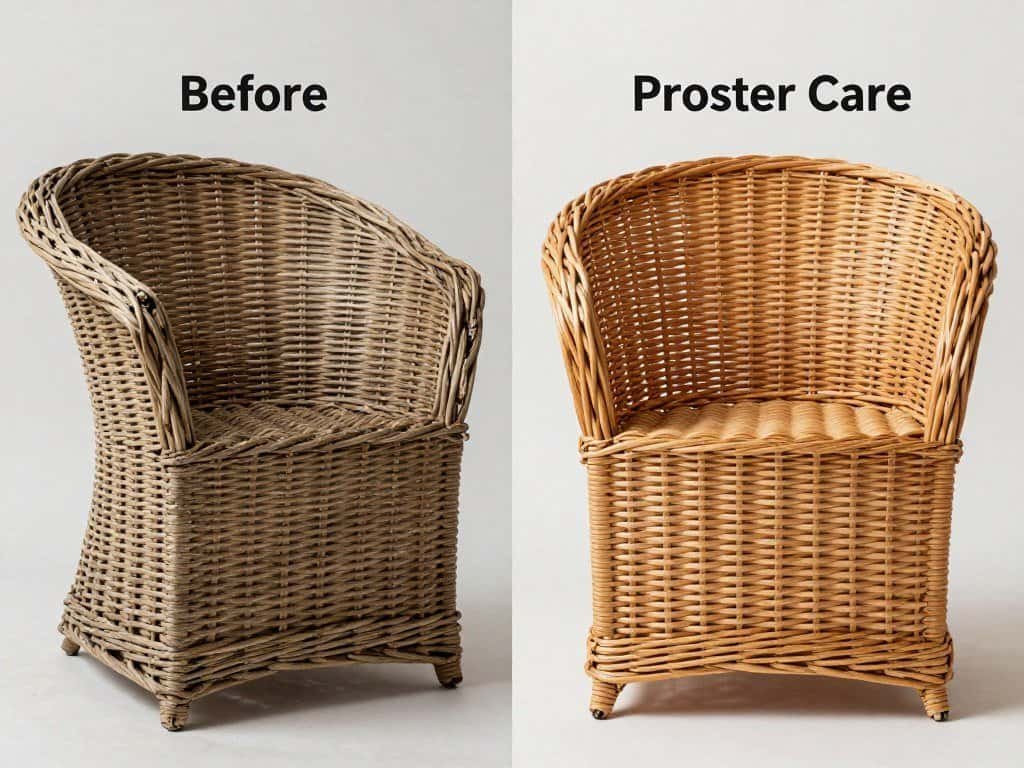
Beyond structural integrity, regular wicker care maintains the aesthetic appeal of your furniture. Cleaning removes stains and discoloration, while proper maintenance preserves the natural color and texture of the material. This is especially important for indoor pieces that serve as focal points in your home decor.
Indoor vs Outdoor Care Differences
Indoor and outdoor wicker furniture face different challenges and require distinct care approaches. Indoor pieces primarily need protection from dust, spills, and excessive dryness. Outdoor wicker must withstand UV exposure, temperature fluctuations, and moisture. Understanding these differences is crucial for effective wicker care.
Natural wicker is best kept indoors or in covered outdoor areas, while synthetic resin wicker is specifically designed to withstand full outdoor exposure.
How to Clean Wicker Furniture
Proper cleaning is the foundation of effective wicker care. The cleaning approach varies significantly between natural and synthetic materials, so it’s important to identify your furniture type before beginning.
Cleaning Natural Wicker
Natural wicker materials like rattan, cane, and bamboo require gentle cleaning methods to prevent damage to the fibers. Follow these steps for effective cleaning:
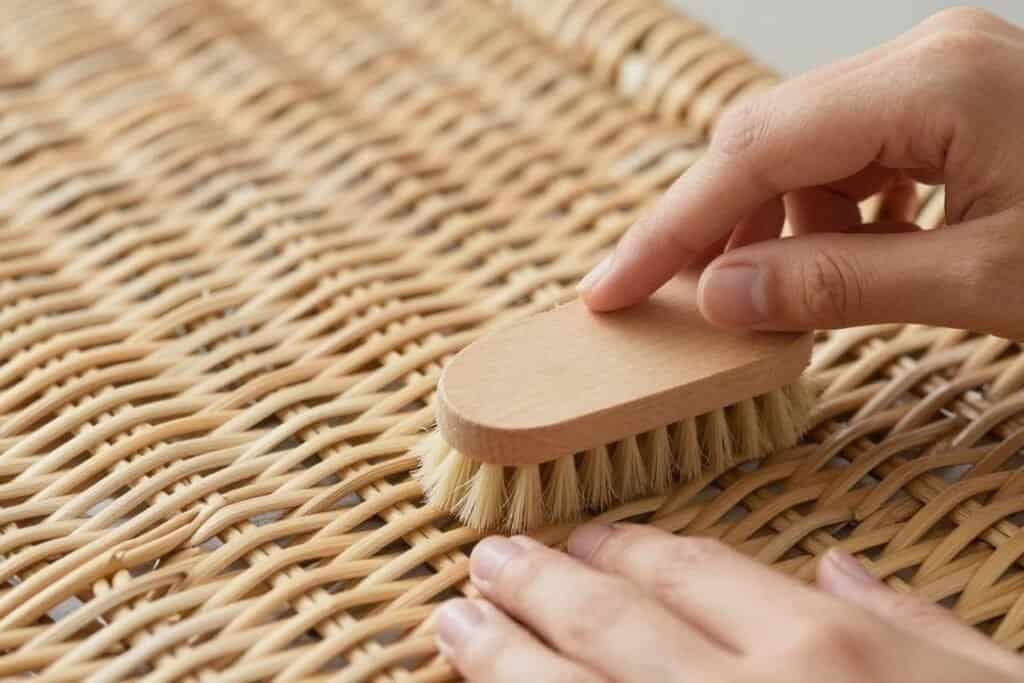
- Start by dusting with a soft brush attachment on your vacuum cleaner to remove loose dirt and debris from the weave.
- For light cleaning, wipe the surface with a slightly damp cloth. Avoid soaking the material as excessive moisture can cause warping.
- For deeper cleaning, mix a mild solution of dish soap and warm water (about 1/4 cup soap per gallon of water).
- Dip a soft-bristle brush in the solution and gently scrub the wicker, focusing on soiled areas.
- Use a toothbrush to reach tight spaces and intricate weaves.
- Wipe away soap residue with a clean, damp cloth.
- Allow the furniture to dry completely in a well-ventilated area, but away from direct sunlight which can cause fading.
Pro Tip: For stubborn stains on natural wicker, mix equal parts white vinegar and warm water as a gentle cleaning solution that won’t damage the fibers.
Cleaning Synthetic/Resin Wicker
Synthetic wicker is more durable and water-resistant, allowing for more thorough cleaning methods. Here’s how to properly clean resin wicker furniture:
- Remove cushions and set them aside for separate cleaning.
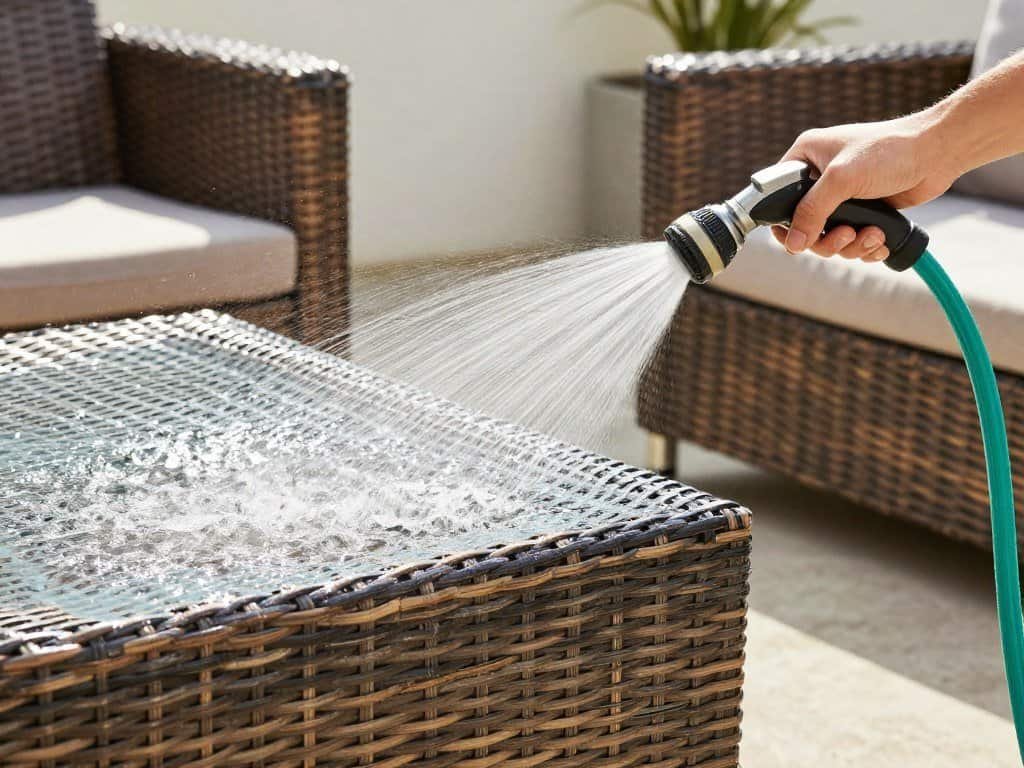
- Use a garden hose to rinse off surface dirt (this is safe for synthetic wicker only).
- Create a cleaning solution with 1/4 cup mild detergent in a gallon of warm water.
- Scrub the furniture with a soft brush dipped in the solution, working in small sections.
- For tough stains like tree sap, use a specialized cleaner like Goo Gone, but rinse immediately after to prevent discoloration.
- For mildew, apply a common mildew remover, following the product instructions carefully.
- Rinse thoroughly with clean water to remove all soap residue.
- Allow to dry completely in the sun for at least 2 hours before replacing cushions.
Warning: Never use abrasive cleaners, steel wool, or stiff brushes on any type of wicker furniture as these can damage the material and finish.
Wicker Maintenance Tips
Regular maintenance prevents the need for deep cleaning and repairs. Implementing these simple routines will keep your wicker furniture in optimal condition year-round.
Dusting Routines
Dust accumulation is the most common issue affecting wicker furniture. Establishing a regular dusting schedule prevents buildup in the intricate weave pattern:
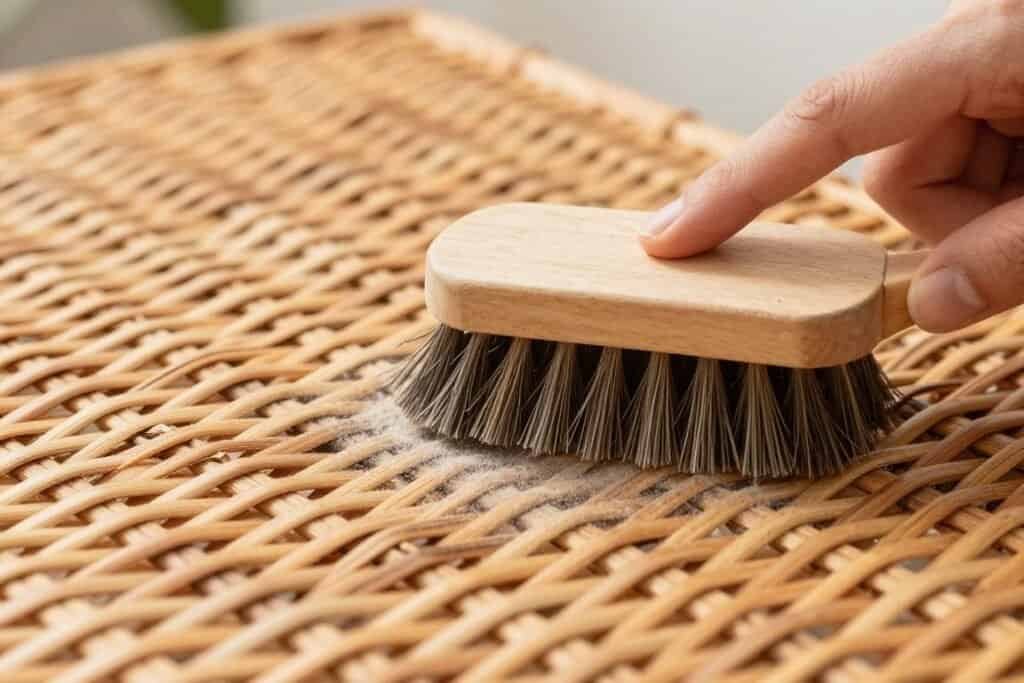
- Weekly: Use a feather duster or soft cloth to remove surface dust.
- Monthly: Vacuum with a soft brush attachment, getting into crevices and under cushions.
- Quarterly: Use compressed air to blow out dust from hard-to-reach areas in the weave.
Moisture Control
Proper moisture management is crucial for wicker care, especially for natural materials that can warp or develop mold when exposed to excessive humidity:
Indoor Moisture Control
- Maintain indoor humidity between 40-60% to prevent wicker from drying out or becoming too damp.
- Keep natural wicker away from bathrooms, kitchens, and other high-humidity areas.
- Use a dehumidifier in damp spaces where wicker furniture is placed.
Outdoor Moisture Control
- Cover outdoor wicker furniture during rain or when not in use.
- Ensure proper drainage on your patio to prevent standing water near furniture.
- Allow furniture to dry completely after exposure to moisture before covering.
Seasonal Care
Different seasons present unique challenges for wicker furniture. Adjust your wicker care routine accordingly:
| Season | Care Focus | Recommended Actions |
| Spring | Deep cleaning after winter storage | Clean thoroughly, check for damage, apply protective treatments |
| Summer | UV protection and moisture management | Use covers when not in use, clean spills immediately, rotate furniture to prevent uneven fading |
| Fall | Preparation for winter | Clean thoroughly, apply protective oil to natural wicker, repair any damage |
| Winter | Storage or protection | Store indoors if possible, use quality covers, elevate from cold floors |
Protecting Wicker Furniture
Prevention is the most effective wicker care strategy. Implementing these protective measures will significantly extend your furniture’s lifespan and maintain its appearance.
Indoor Protection
Even indoor wicker furniture requires protection from environmental factors that can cause damage over time:

- Position furniture away from direct sunlight to prevent fading and drying.
- Keep at least 3 feet away from heat sources like radiators, fireplaces, and heating vents.
- Apply furniture polish or linseed oil annually to natural wicker to prevent drying and cracking.
- Use coasters and placemats to protect surfaces from spills and heat damage.
- Consider rotating furniture periodically to ensure even exposure to environmental conditions.
Outdoor Weather Protection
Outdoor wicker faces harsher conditions and requires more robust protection:
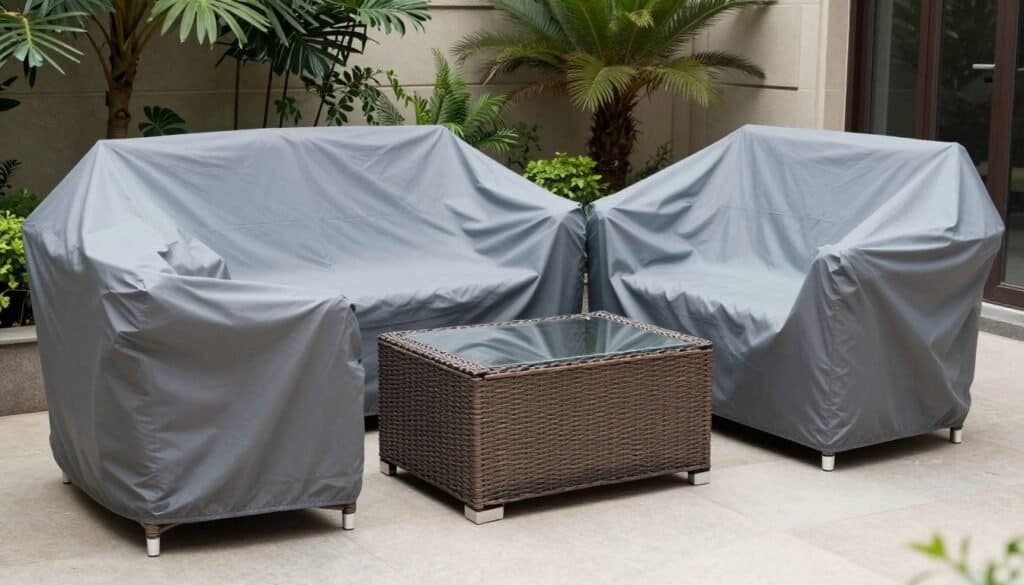
- Use furniture covers specifically designed for wicker when not in use.
- Apply UV-protective sprays to prevent sun damage (test on an inconspicuous area first).
- Place furniture under covered areas like pergolas or awnings when possible.
- Use furniture feet or risers to elevate pieces from wet surfaces.
- Consider water-resistant cushions and fabrics designed for outdoor use.
Recommendation: For synthetic wicker, apply a UV protectant spray at the beginning of each outdoor season to prevent color fading and material degradation from sun exposure.
Storage During the Off-Season
Proper storage during harsh weather seasons is crucial for outdoor wicker furniture:
- Clean thoroughly before storage to prevent stain setting and mold growth.
- Ensure furniture is completely dry before covering or storing.
- Store in a dry, climate-controlled space like a garage or basement.
- Avoid stacking heavy items on wicker furniture during storage.
- Use breathable covers if storing in potentially damp areas to prevent moisture buildup.
- Elevate furniture off concrete floors, which can transfer moisture.
Common Wicker Problems & Fixes
Even with diligent wicker care, issues may arise. Here are solutions to the most common wicker furniture problems:
Loose Strands
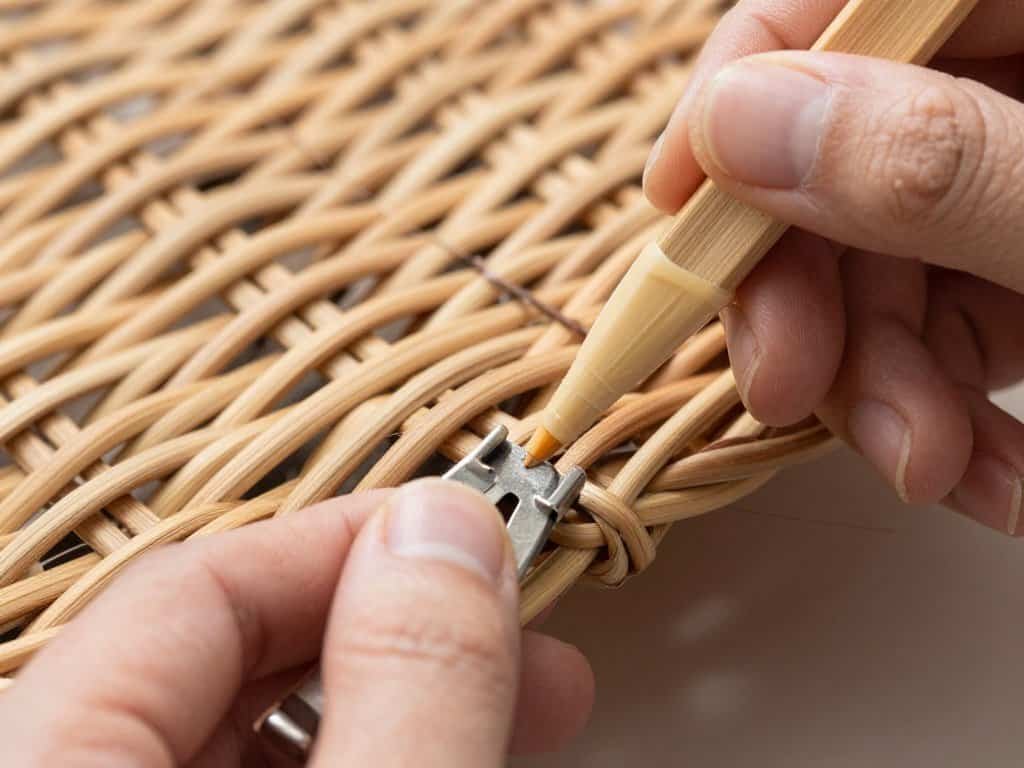
Loose strands can unravel further if not addressed promptly:
- Apply a small amount of wood glue to the loose strand.
- Carefully tuck the strand back into position.
- Use clothespins or small clamps to hold in place until dry (typically 24 hours).
- Trim any excess strand with sharp scissors after the glue has dried.
Cracking
Dry conditions can cause natural wicker to crack and split:
- Lightly mist the furniture with water to add moisture (avoid soaking).
- Apply boiled linseed oil to restore flexibility to natural fibers.
- For significant cracks, apply wood glue and clamp until dry.
- Maintain proper humidity levels to prevent future cracking.
Fading
Sun exposure often leads to color fading in both natural and synthetic wicker:
- For natural wicker, apply a fresh coat of stain or paint after thorough cleaning.
- For synthetic wicker, use a UV protectant spray designed for outdoor furniture.
- Consider furniture covers with UV protection for outdoor pieces.
- Rotate furniture periodically to ensure even sun exposure.
Mold & Mildew
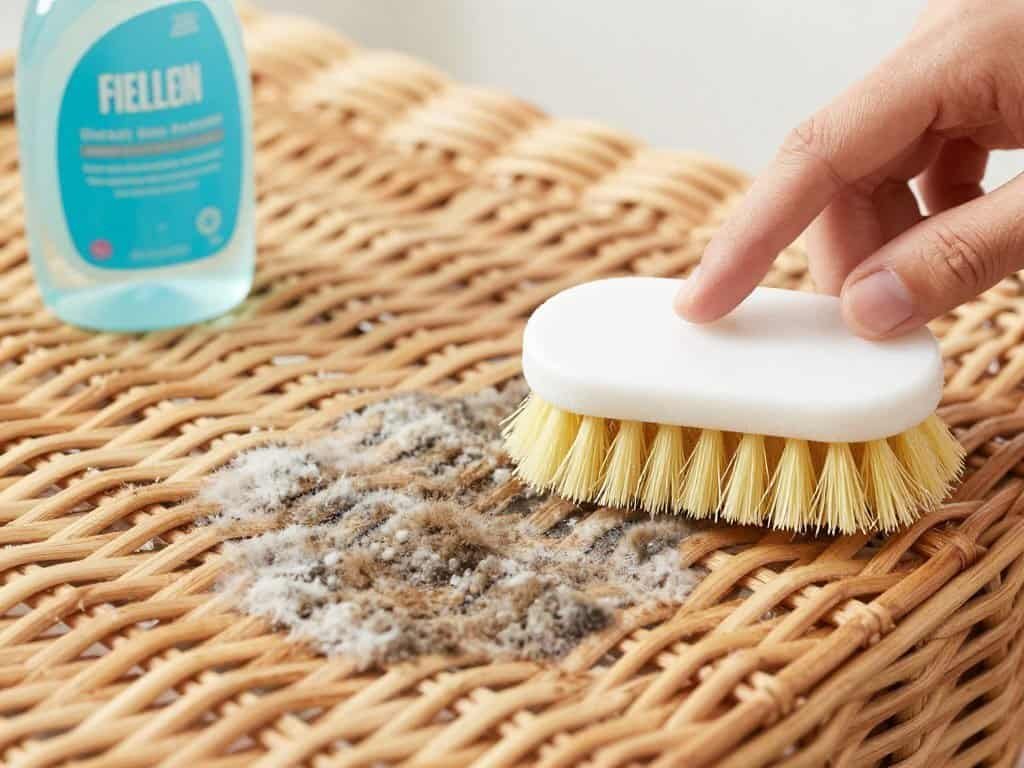
Humid conditions can promote mold and mildew growth on wicker surfaces:
- Mix a solution of 1 cup bleach with 1 gallon of water for natural wicker.
- For synthetic wicker, use a commercial mildew remover.
- Apply the solution with a soft brush, working it into affected areas.
- Rinse thoroughly and allow to dry completely in the sun.
- Apply a mildew-resistant spray after cleaning to prevent recurrence.
Important: When using bleach solutions, always work in a well-ventilated area, wear protective gloves, and rinse thoroughly to prevent damage to the wicker material.
Wicker Care FAQs
Get answers to the most common questions about wicker furniture care and maintenance.
Can natural wicker furniture be used outdoors?
Natural wicker is not recommended for full outdoor exposure. It can be used in covered outdoor areas like porches and sunrooms, but should be protected from direct rain, snow, and intense sun. For fully exposed outdoor areas, synthetic resin wicker is the better choice as it’s specifically designed to withstand the elements.
How often should I clean my wicker furniture?
For indoor wicker, dust weekly and deep clean quarterly. Outdoor wicker should be rinsed monthly and deep cleaned seasonally, with additional cleaning after exposure to pollen, bird droppings, or other contaminants. Regular maintenance prevents dirt buildup that can be difficult to remove later.
Can I paint my wicker furniture?
Yes, both natural and synthetic wicker can be painted. Use spray paint specifically designed for furniture for best results. Clean the furniture thoroughly, allow it to dry completely, and apply multiple light coats rather than one heavy coat. Consider using a primer first for better adhesion, especially on synthetic wicker.
How do I know if my wicker furniture is natural or synthetic?
Natural wicker typically has slight color variations, a woody scent, and may have small imperfections in the weave. Synthetic wicker has a more uniform color, no scent, and a perfect, consistent weave pattern. You can also check the furniture label or documentation, which should specify the material.
Can damaged wicker be repaired?
Minor damage like loose strands or small cracks can be repaired at home using wood glue and clamps. For more extensive damage, professional repair may be necessary. Antique or valuable wicker pieces should always be repaired by a specialist to maintain their value and integrity.

Shop all Wicker care products