What Is Indoor Wicker Furniture
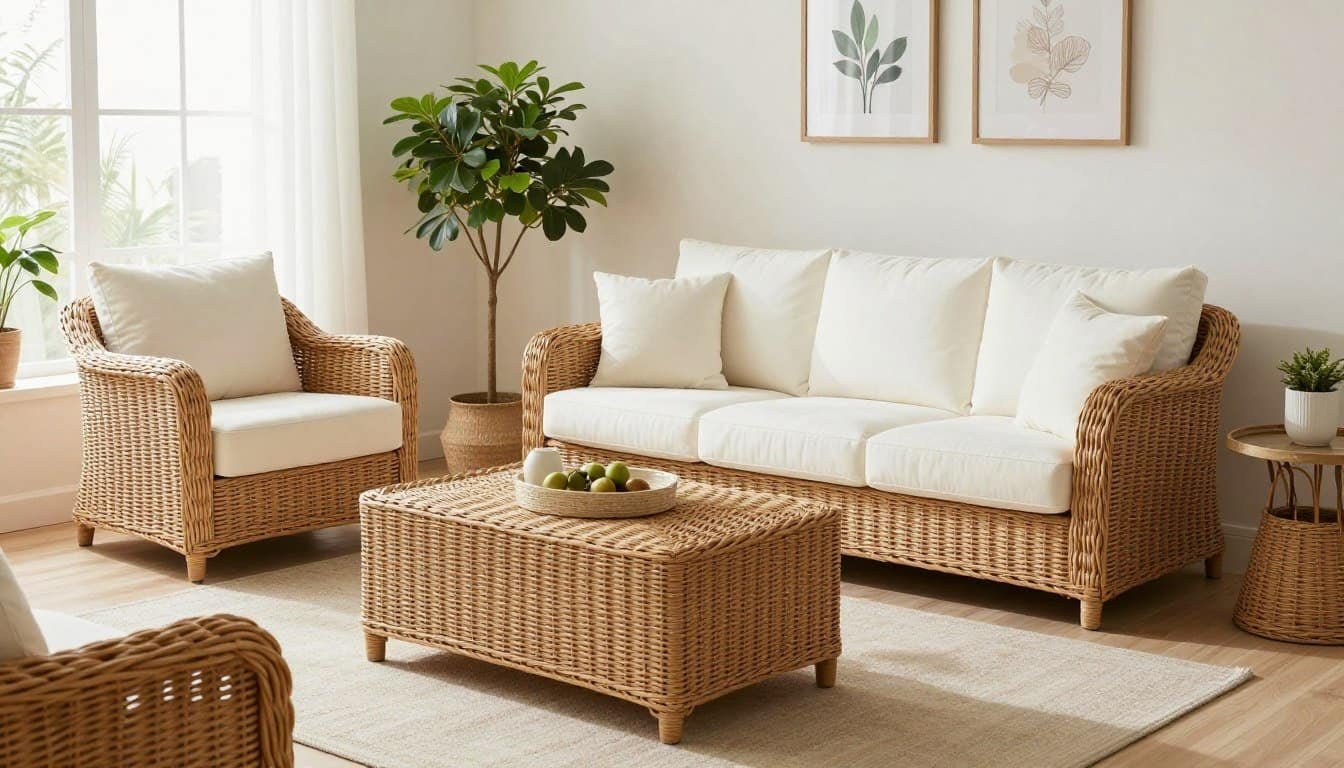
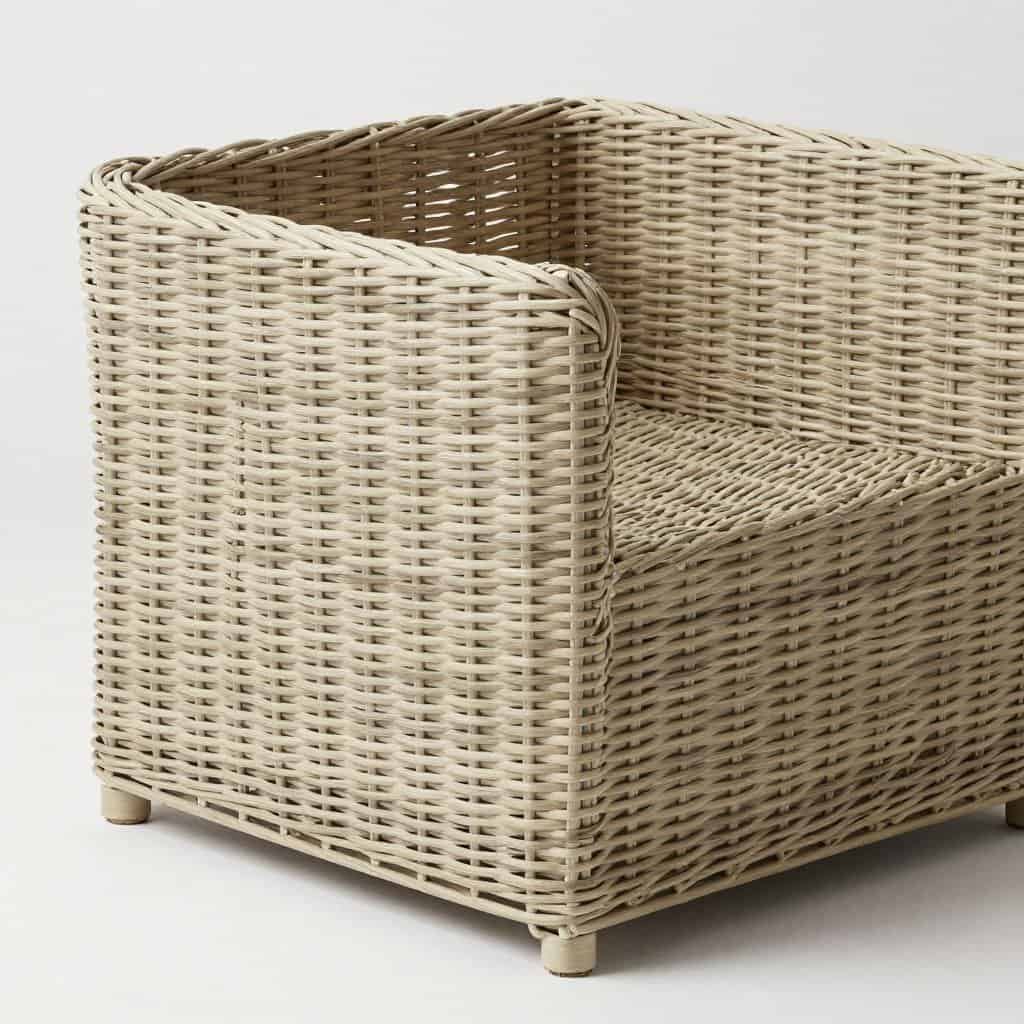
Many people mistakenly believe wicker is a specific material, but it’s actually a weaving technique. This ancient crafting method creates durable, lightweight furniture by weaving pliable materials into rigid frames, resulting in pieces that combine strength with visual delicacy.
Wicker as a Weaving Method
The wicker weaving technique dates back thousands of years, with evidence of wicker items found in ancient Egyptian tombs. The method involves weaving flexible materials around a sturdy frame to create furniture with remarkable structural integrity despite its airy appearance. This technique allows for intricate patterns and designs that add visual interest to any space.

Common Indoor Materials
Indoor wicker furniture typically uses several key materials, each with unique characteristics:
Rattan
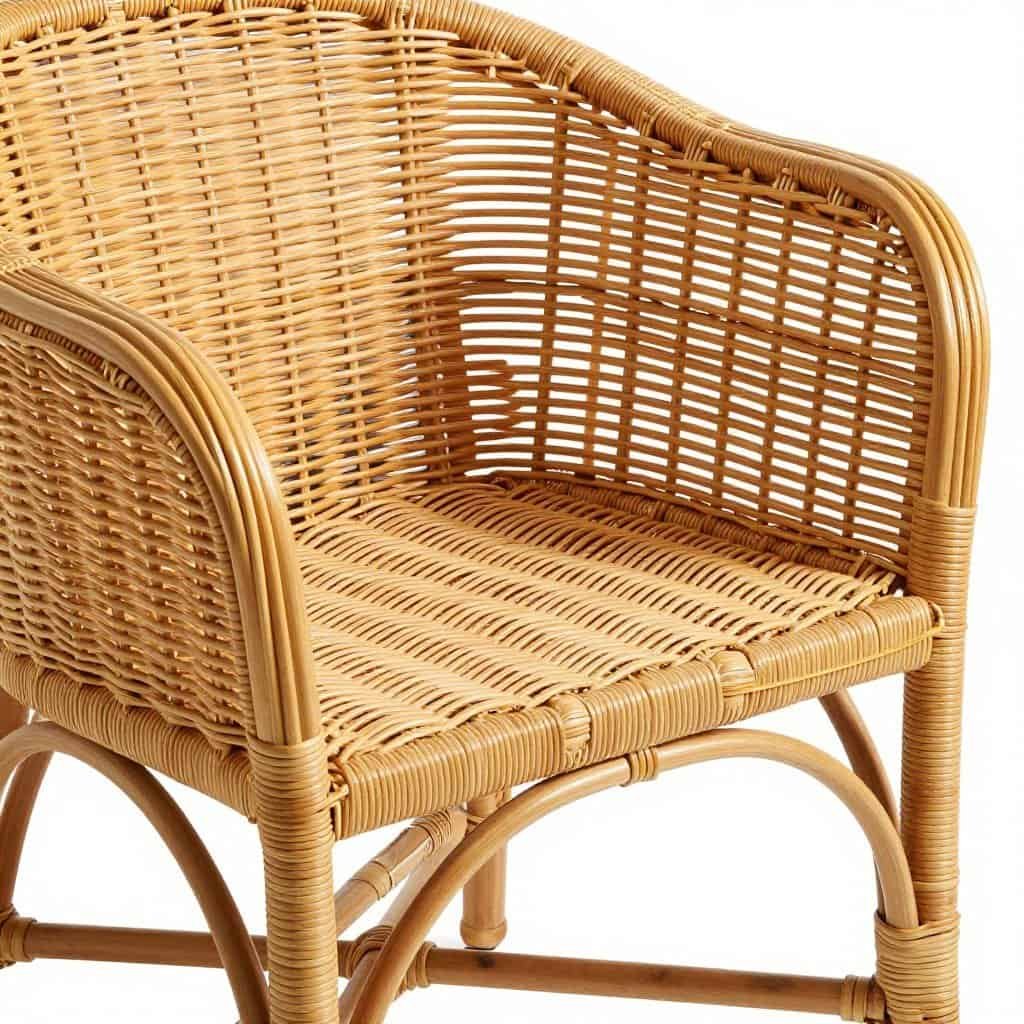
The most common material for indoor wicker, rattan is a naturally growing vine with a solid core, making it exceptionally strong yet flexible. Its warm honey tones bring natural beauty to interiors, and it can be stained in various finishes to match your decor.
Cane
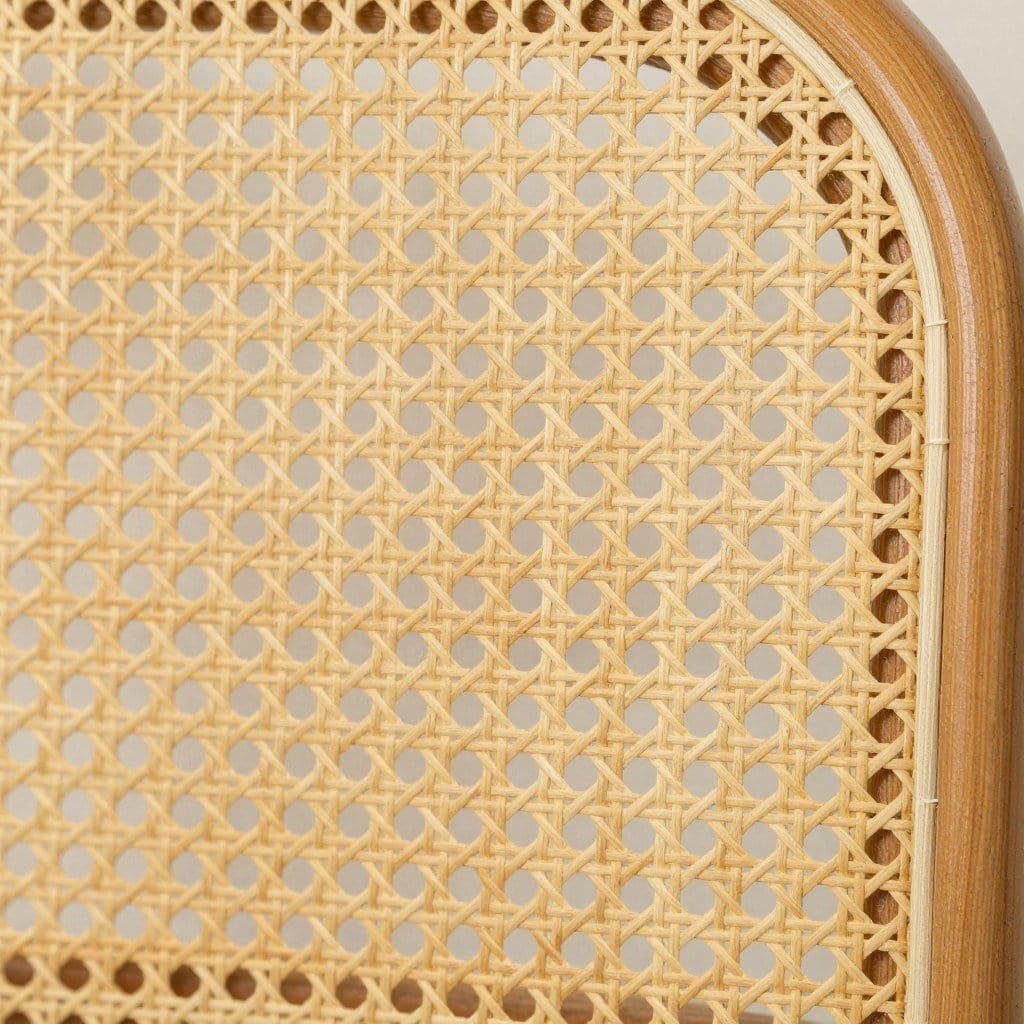
Derived from the outer skin of the rattan palm, cane is often used for chair seats and backs. Its tight, uniform weave creates a smooth surface that’s both comfortable and visually appealing. Cane adds a touch of elegance to indoor furniture with its refined appearance.
Seagrass
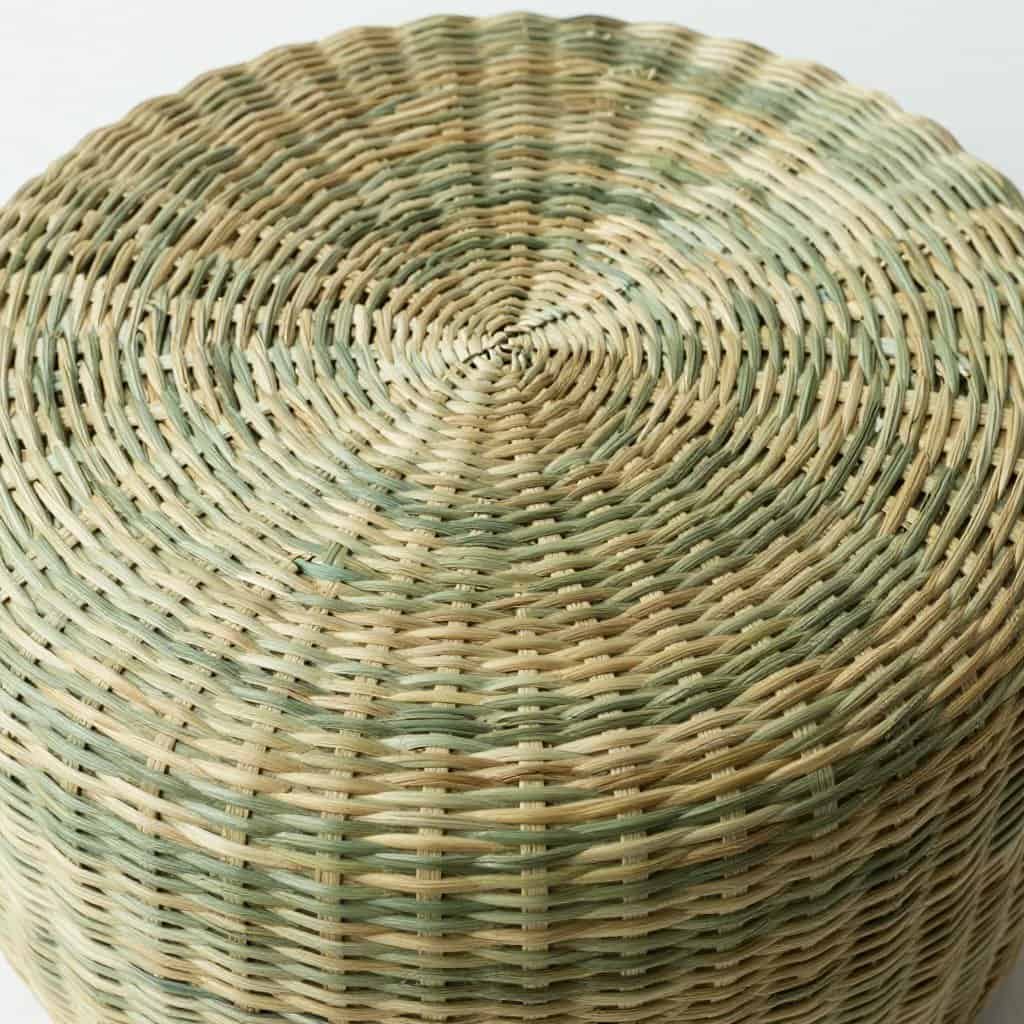
This sustainable material brings a distinctive texture and subtle color variations to indoor wicker pieces. Seagrass has natural water resistance, making it practical for areas like sunrooms where humidity might fluctuate.
Synthetic Fibers
For areas with higher moisture or heavy use, synthetic wicker made from resin or vinyl offers exceptional durability while mimicking the look of natural materials. These options are ideal for sunrooms or transitional spaces between indoor and outdoor areas.
Why Wicker Works Well Indoors
Indoor wicker furniture has gained popularity for several compelling reasons that make it an excellent choice for various interior spaces. Its unique properties create both practical and aesthetic advantages that few other furniture materials can match.
Breathability and Comfort
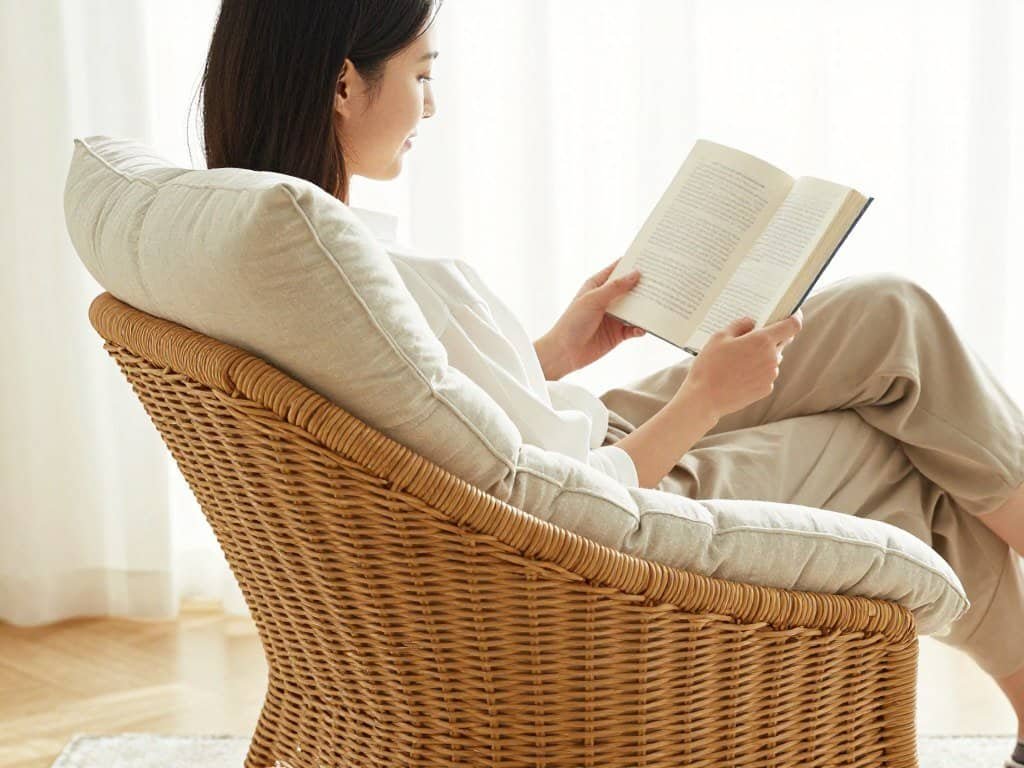
Unlike solid wood or upholstered furniture, wicker’s woven structure allows air to circulate freely, creating pieces that remain comfortable in varying temperatures. This breathability makes wicker seating naturally cooling in warmer months while still feeling cozy when paired with cushions and throws during cooler seasons.
The slight flexibility in well-crafted wicker furniture also contributes to its comfort, as it gently accommodates the body’s contours without feeling rigid. This natural give makes wicker chairs and sofas surprisingly comfortable for extended sitting.
Visual Lightness
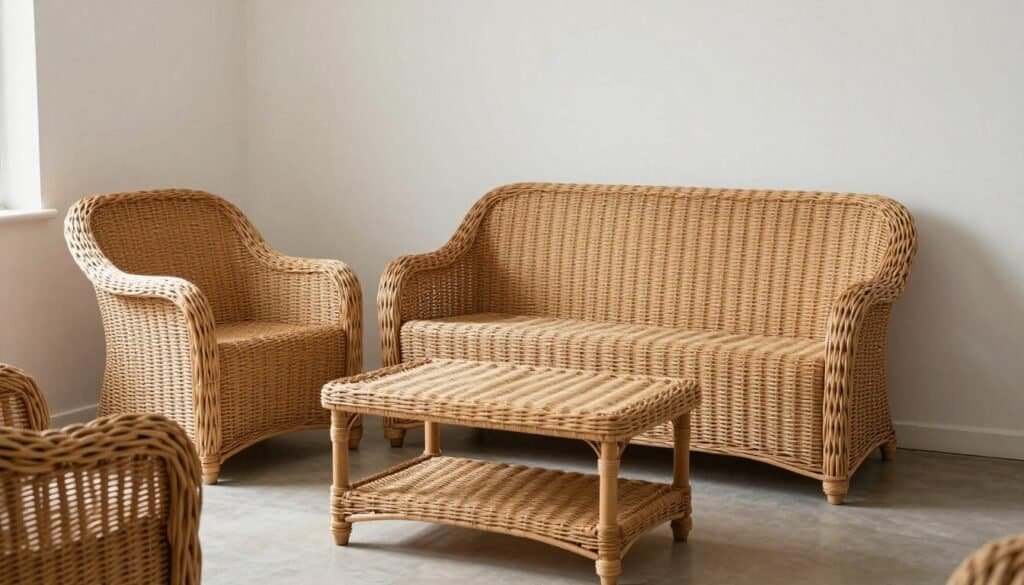
One of wicker’s most significant advantages is its ability to add furniture without visual weight. The open weave creates pieces that don’t overwhelm a space, making wicker perfect for smaller rooms or areas where you want to maintain an airy, uncluttered feel.
This visual lightness allows wicker furniture to “breathe” within a room’s design, creating balance when paired with heavier elements like solid wood tables or substantial upholstered pieces. The result is a harmonious space that feels thoughtfully designed rather than overcrowded.
Adaptability to Décor Styles
Perhaps wicker’s most remarkable quality is its chameleon-like ability to complement virtually any interior design style. This versatility makes it an excellent investment as your taste evolves over time.
Coastal and Bohemian
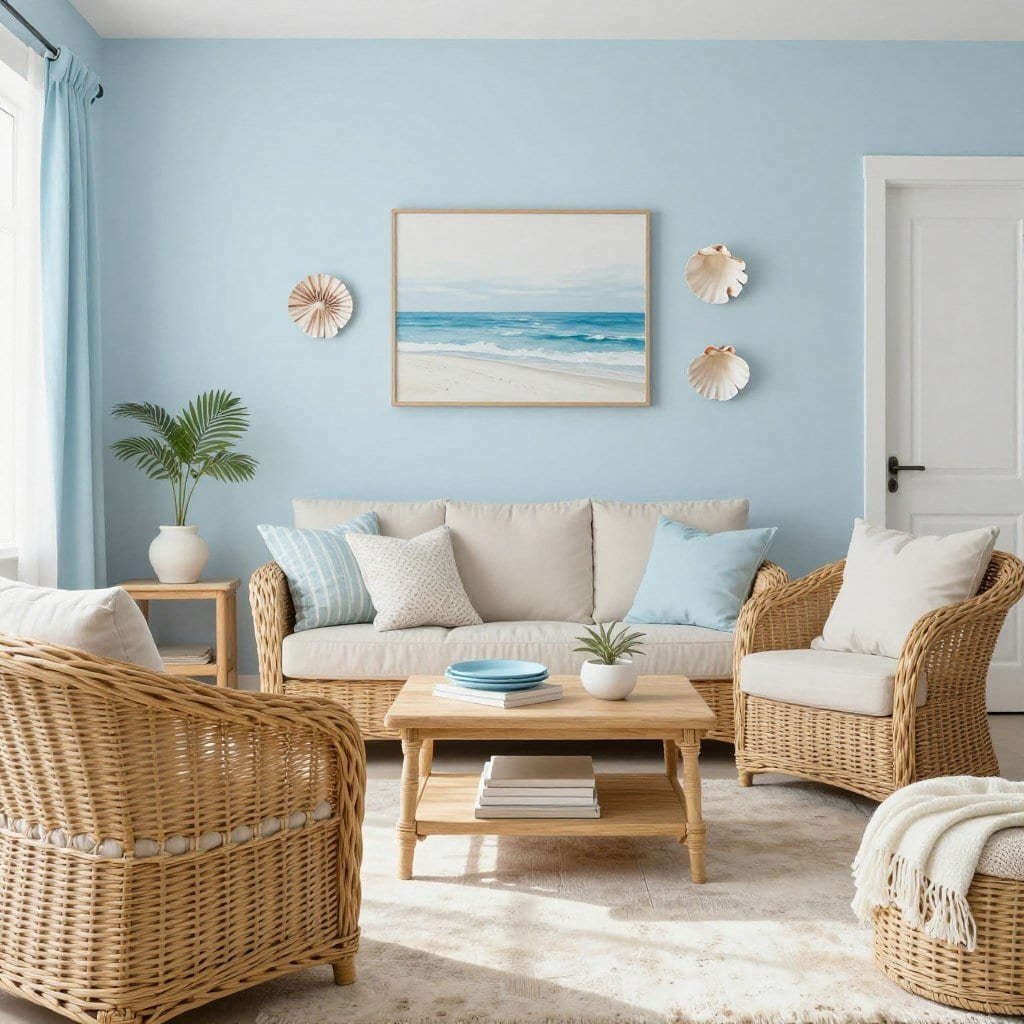
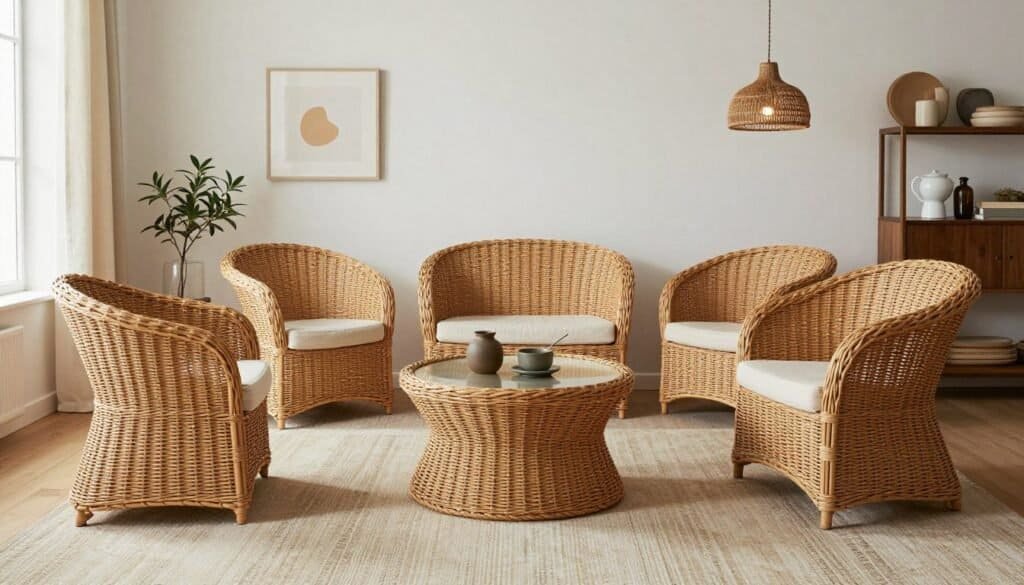
Natural wicker pieces with light cushions create the perfect foundation for coastal and bohemian interiors, bringing organic texture and a relaxed vibe that defines these styles.
Modern and Scandinavian
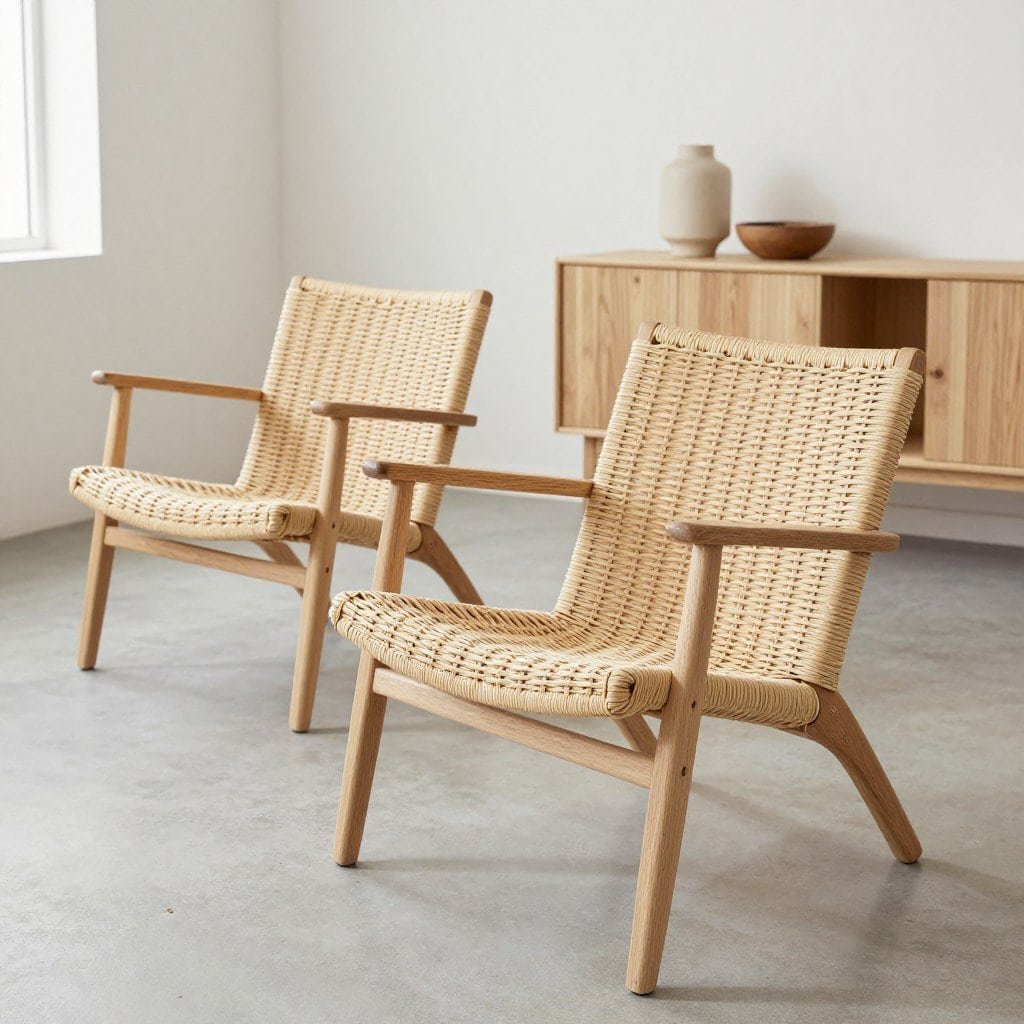
Pair sleek wicker pieces with minimalist decor and clean lines for a contemporary look, or incorporate wicker’s natural warmth to soften Scandinavian interiors dominated by light woods and neutral tones.
Traditional and Farmhouse
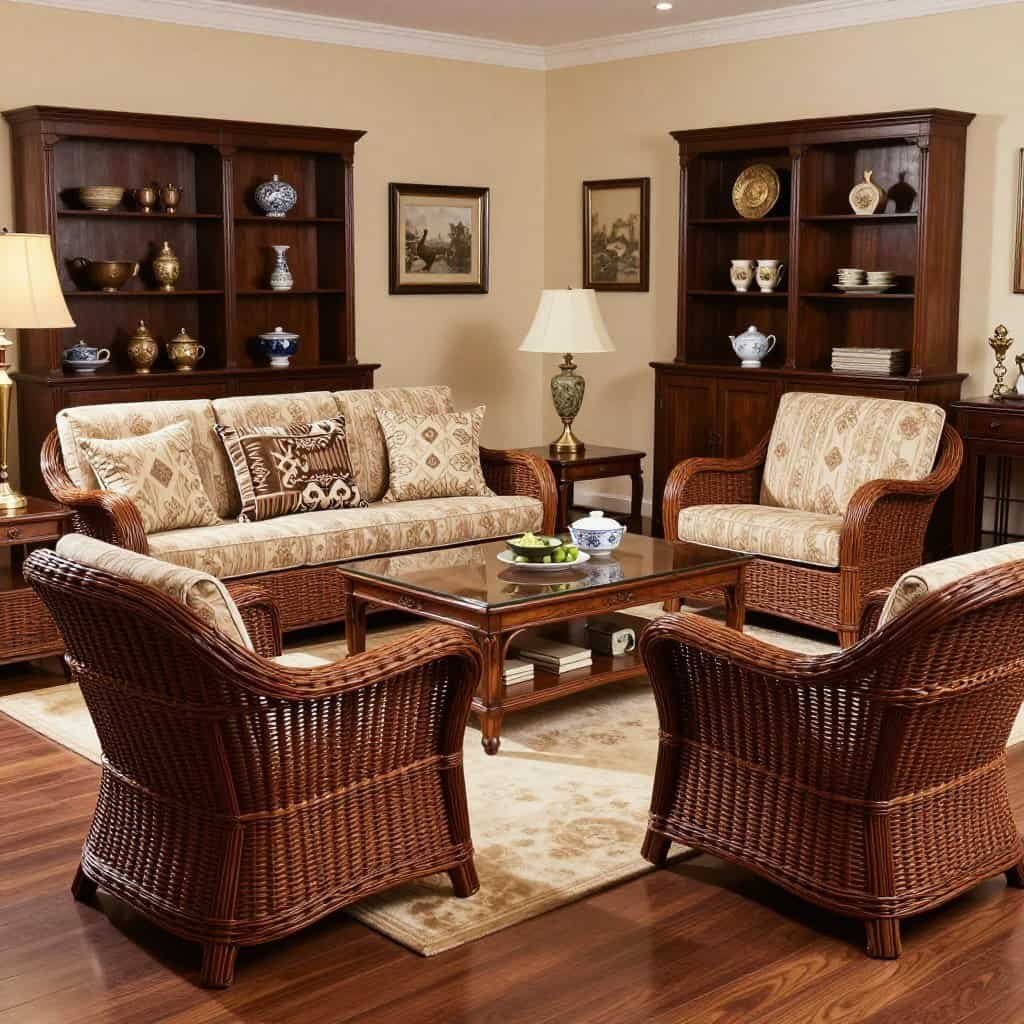
Darker stained wicker integrates beautifully with traditional decor, while whitewashed or natural wicker pieces complement farmhouse and cottage styles with their rustic charm.
Eclectic and Global
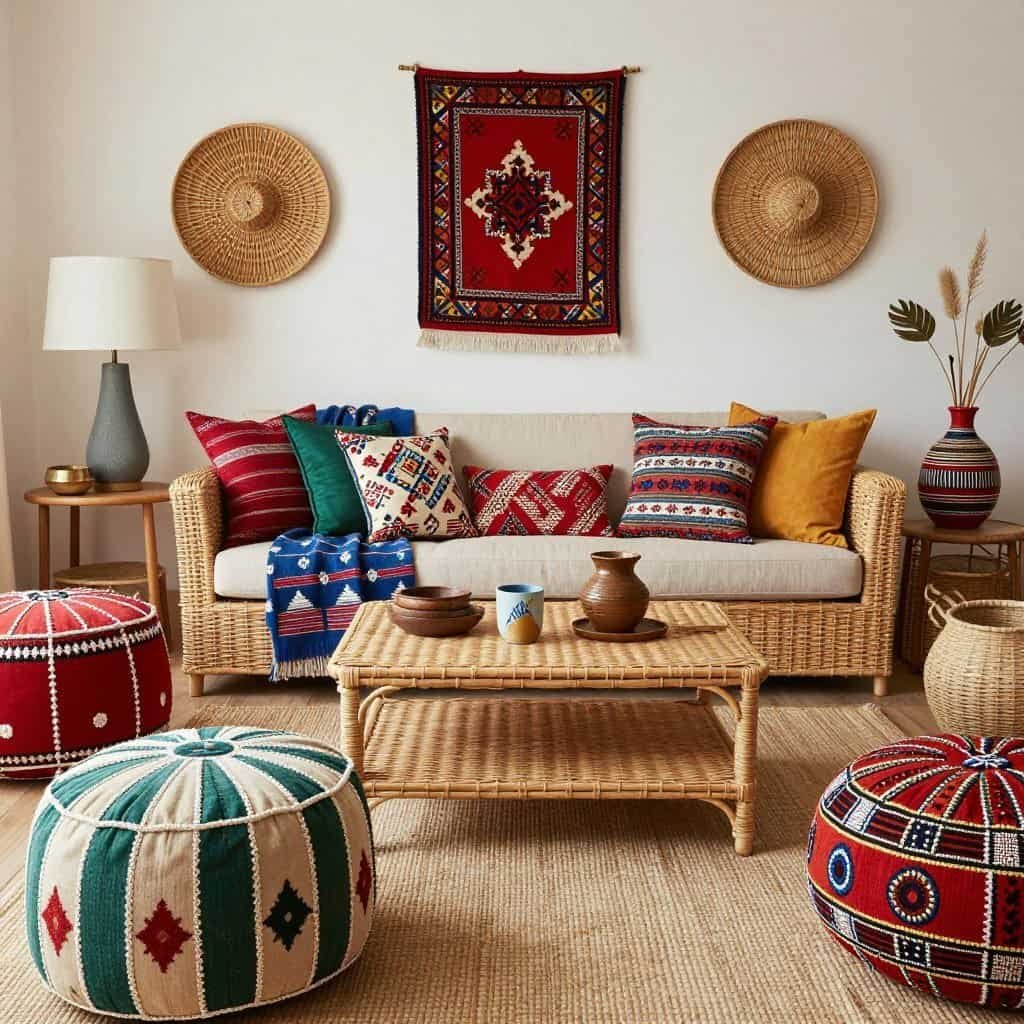
Wicker’s worldwide heritage makes it perfect for eclectic and globally inspired interiors, where it can be mixed with diverse textiles and artifacts for a well-traveled aesthetic.
Best Rooms for Indoor Wicker Furniture
While wicker furniture can work throughout the home, certain spaces particularly benefit from its unique qualities. Here’s how to incorporate indoor wicker furniture into different rooms for maximum impact.
Living Rooms
The living room offers countless opportunities to showcase wicker’s versatility. Consider these options:
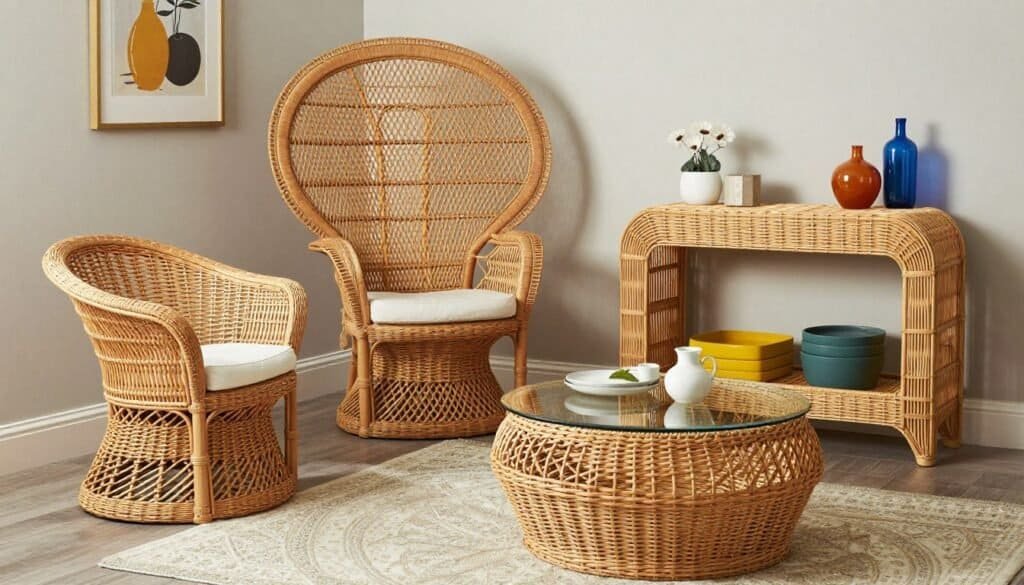
- Accent Chairs: Wicker armchairs or peacock chairs create striking focal points while providing additional seating.
- Coffee Tables: A wicker coffee table with a glass top combines functionality with textural interest.
- Console Tables: Place a wicker console behind a sofa or along a wall to display decorative items while adding warmth.
- Storage Pieces: Wicker trunks or baskets double as stylish coffee tables while offering hidden storage.
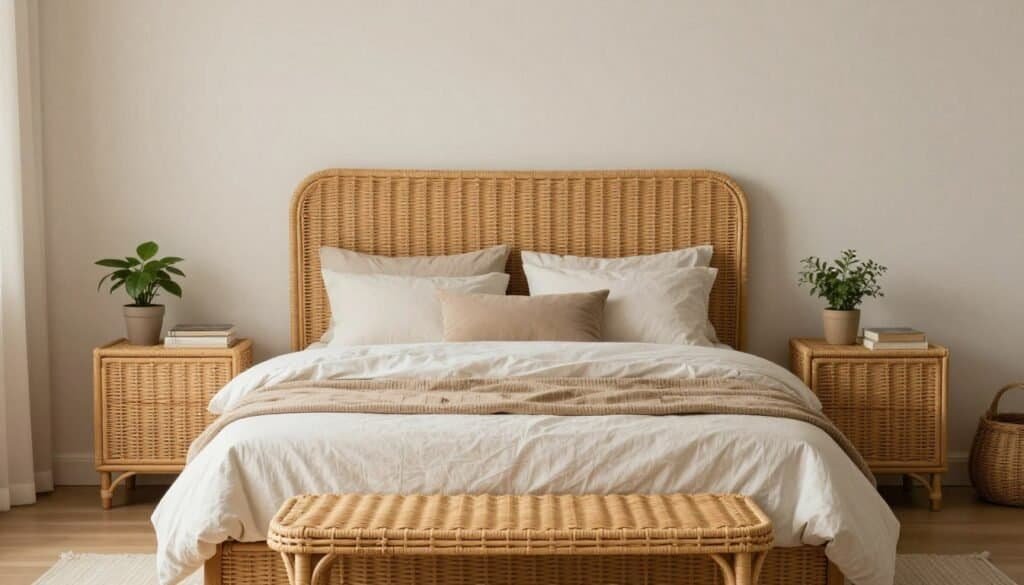
Bedrooms
Wicker brings a serene, natural element to bedrooms, creating restful retreats with organic texture:
- Headboards: A wicker headboard creates a stunning focal point that works with various bedding styles.
- Benches: Place a wicker bench at the foot of the bed for both function and style.
- Nightstands: Wicker bedside tables with drawers combine storage with natural texture.
- Chairs: A wicker reading chair in the corner creates a cozy nook for relaxation.
Sunrooms
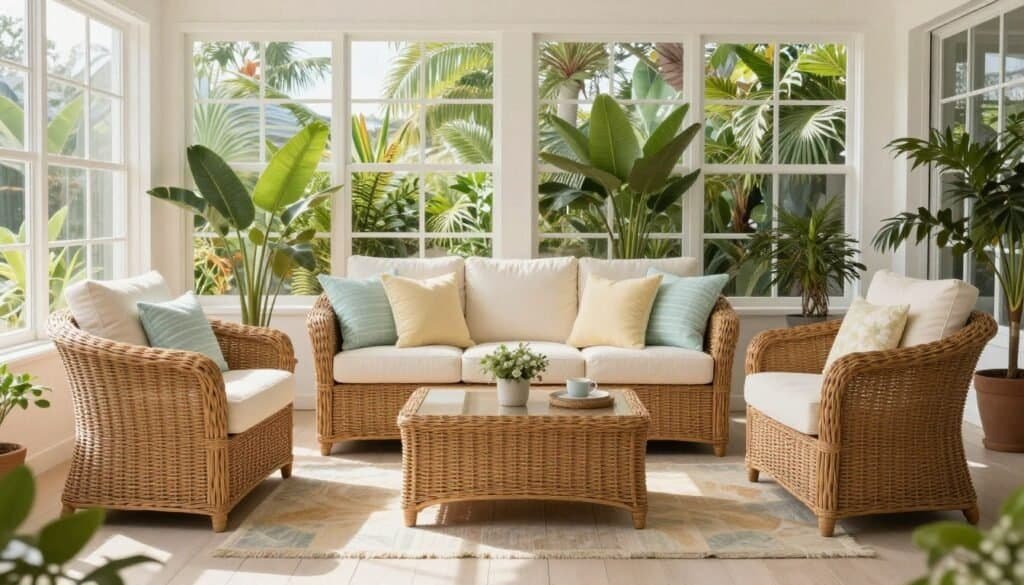
Perhaps the most natural setting for wicker furniture, sunrooms bridge the gap between indoor and outdoor living:
- Seating Sets: A complete wicker seating arrangement creates a cohesive, inviting space.
- Dining Areas: Wicker dining sets make perfect breakfast or casual dining spots.
- Swing Chairs: Hanging wicker chairs or swings add playful, resort-like elements.
- Plant Stands: Wicker plant stands elevate greenery and enhance the indoor-outdoor connection.
Reading Corners
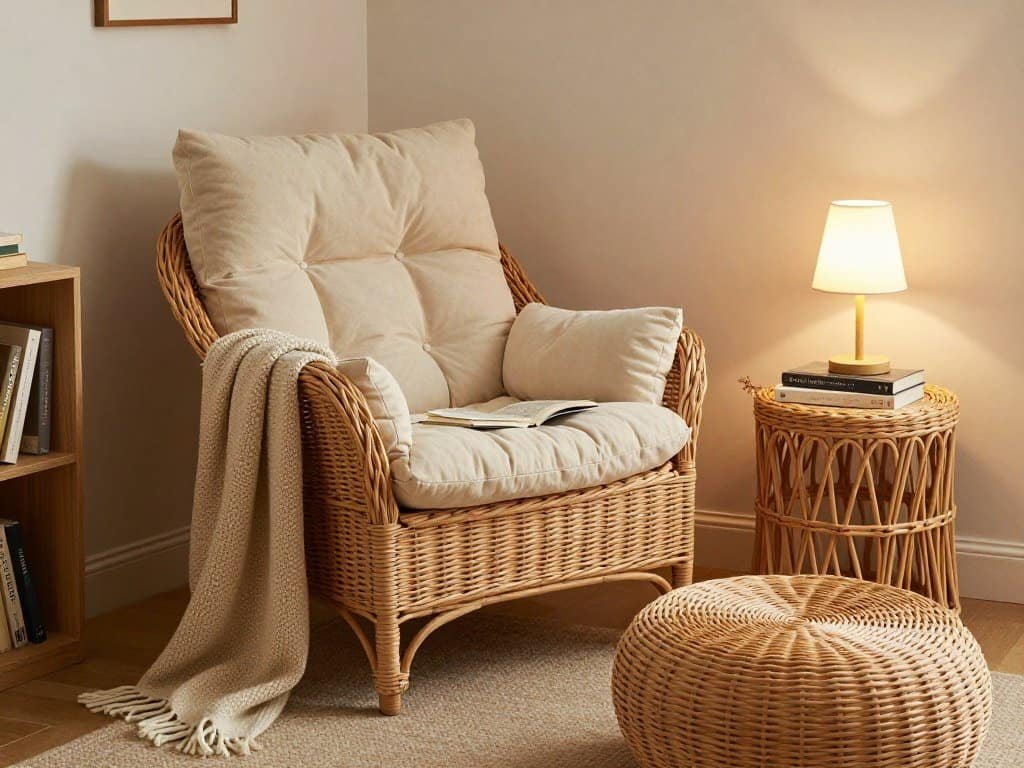
Wicker’s comfort and character make it ideal for creating inviting reading nooks in any room:
- Lounge Chairs: A wicker lounge chair with plush cushions creates the perfect reading spot.
- Side Tables: Small wicker tables provide space for books, beverages, and reading lights.
- Ottomans: Wicker ottomans offer extra seating or a place to rest your feet.
- Magazine Racks: Wicker magazine holders keep reading materials organized and accessible.
Indoor Wicker vs Outdoor Wicker (Key Differences)
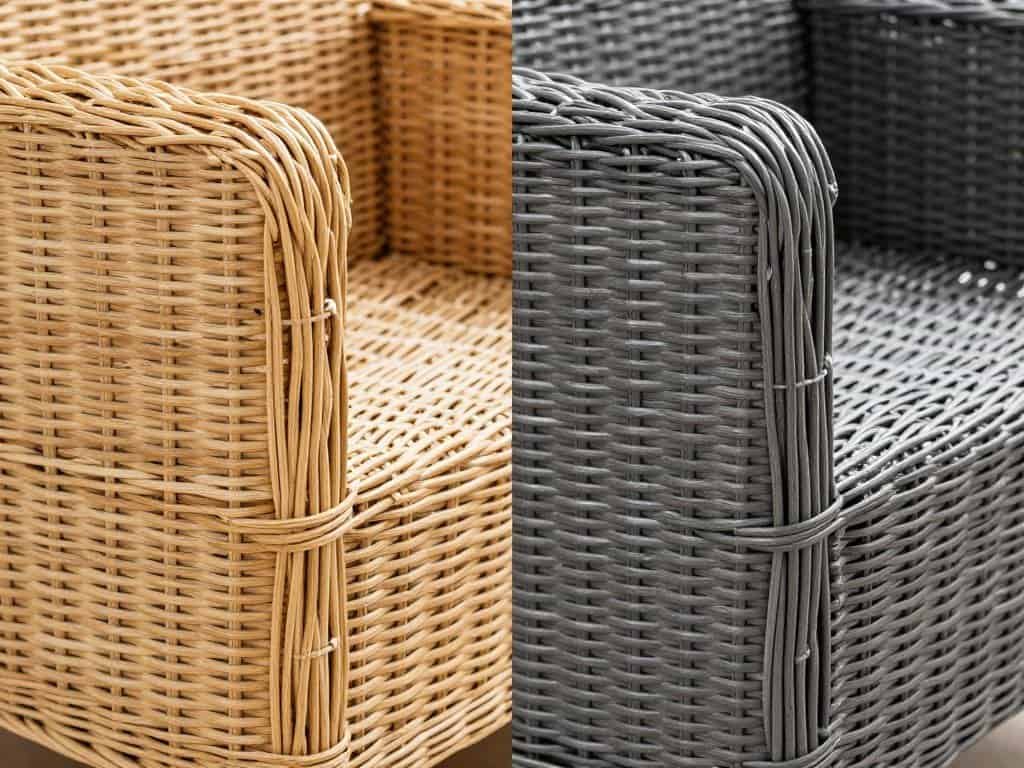
While indoor and outdoor wicker furniture may look similar at first glance, they differ significantly in materials, construction, and durability. Understanding these differences is crucial for selecting the right pieces for your space.
Indoor Wicker
- Often made from natural materials like rattan, cane, and seagrass
- Typically features more intricate, delicate weaving patterns
- Finished with light lacquers or oils that enhance natural beauty
- Designed for temperature-controlled environments
- Generally lighter weight with more refined construction
Outdoor Wicker
- Made from synthetic materials like resin or PVC
- Features tighter, more durable weaving patterns
- Treated with UV-resistant and waterproof finishes
- Built to withstand temperature fluctuations and moisture
- Typically heavier with reinforced frames for wind resistance
Material Treatment
Indoor wicker receives minimal treatment to preserve its natural appearance and feel. Light lacquers or oils may be applied to enhance the material’s natural beauty and provide minimal protection against everyday wear. These finishes allow the natural texture and color variations to remain visible, contributing to wicker’s organic appeal.
Outdoor wicker, by contrast, undergoes extensive treatment to withstand the elements. Synthetic materials are infused with UV inhibitors to prevent fading and deterioration from sun exposure. Additionally, outdoor pieces receive waterproof sealants to protect against rain, humidity, and temperature fluctuations.
Durability Expectations
When properly cared for, indoor wicker furniture can last for decades. Its primary enemies are excessive dryness (which can cause brittleness) and high humidity (which can promote mold growth). With regular dusting and occasional conditioning, indoor wicker maintains its beauty and structural integrity for years.
Outdoor wicker is engineered for extreme conditions but may sacrifice some of the refined appearance and comfort of indoor pieces. While outdoor wicker can withstand rain, sun, and temperature changes, even the best quality will eventually show wear from constant exposure. Most quality outdoor wicker has a lifespan of 5-10 years with proper care.
Can You Use Outdoor Wicker Indoors?
Yes! Outdoor wicker can be used indoors, especially in high-traffic areas or rooms with fluctuating humidity like bathrooms or kitchens. The durability of outdoor materials makes them practical choices for families with children or pets. However, outdoor pieces may lack some of the aesthetic refinement of furniture designed specifically for indoor use.
Environmental Exposure
Indoor wicker should be protected from direct sunlight, which can fade natural materials and cause drying and cracking over time. Similarly, indoor pieces should be kept away from heating vents and fireplaces, as excessive dryness can damage the fibers.
While outdoor wicker is designed to handle environmental exposure, indoor wicker requires a more controlled environment. Extreme or rapidly changing humidity levels can cause natural wicker to expand and contract, potentially weakening the structure over time. For this reason, indoor wicker works best in climate-controlled spaces with relatively stable conditions.
Styling Tips for Indoor Wicker Furniture
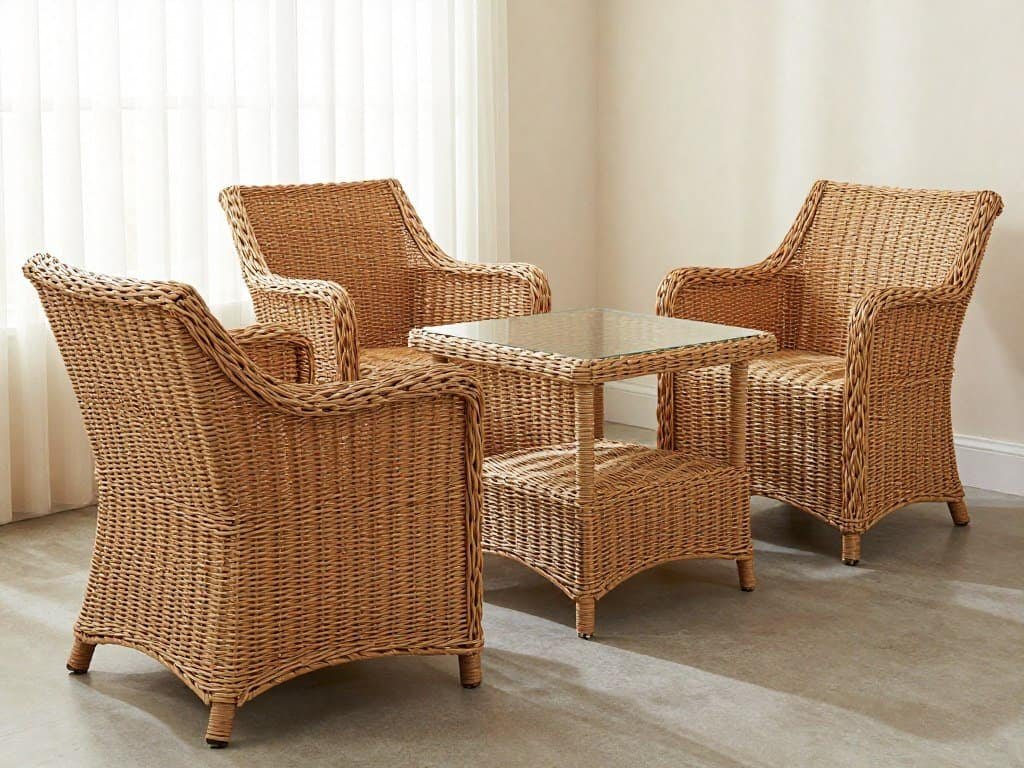
The versatility of wicker furniture allows for countless styling possibilities. Here are expert tips for incorporating wicker into your interior design for maximum impact.
Mixing with Wood and Textiles
One of wicker’s greatest strengths is its ability to complement other materials, creating layered, interesting spaces:
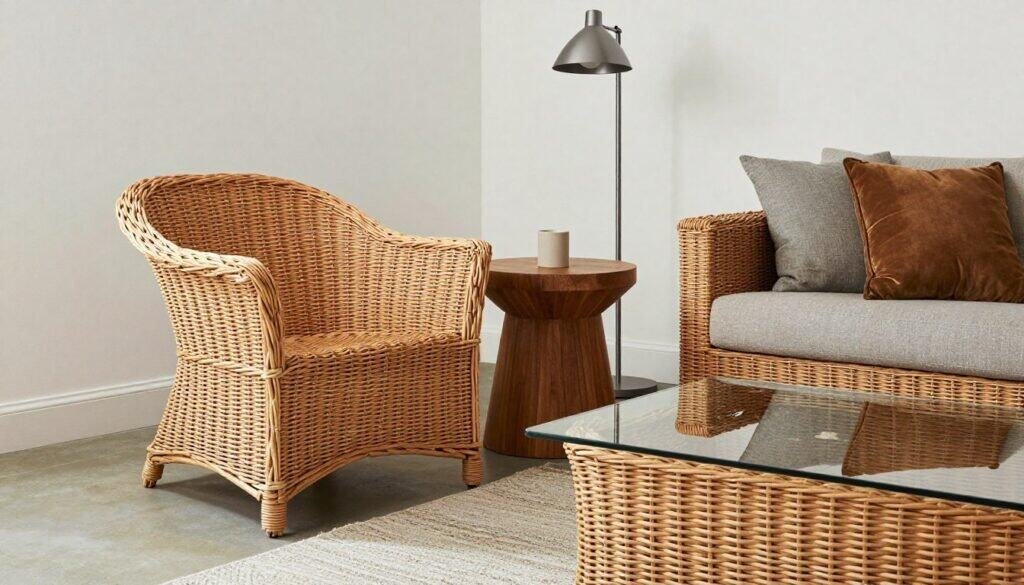
- Wood Tones: Pair wicker with wood in complementary tones—light wicker with blonde woods for a Scandinavian feel, or dark wicker with rich walnut for traditional elegance.
- Metal Accents: Introduce metal elements like brass or black iron to add sophistication and visual contrast to wicker’s organic texture.
- Glass Surfaces: Glass-topped wicker tables create a perfect balance between texture and sleekness, ideal for modern interiors.
- Textural Contrast: Balance wicker’s texture with smooth surfaces like leather, velvet, or polished stone for a dynamic, layered look.
Cushion Choices
The right cushions transform wicker furniture from merely attractive to exceptionally comfortable:
Fabric Selection
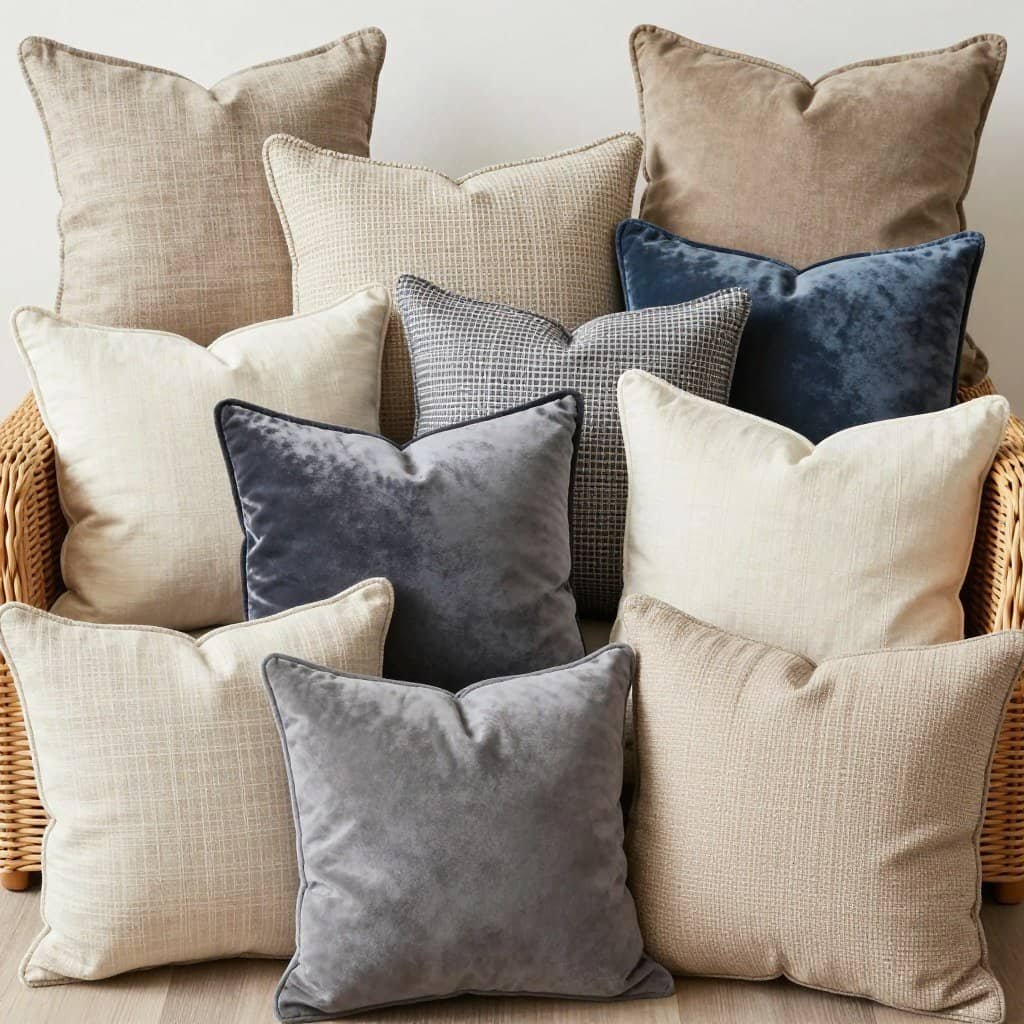
Choose fabrics that complement wicker’s natural texture—linen and cotton for casual spaces, velvet or silk for more formal rooms. Weather-resistant fabrics work well in sunrooms or areas with higher humidity.
Color Strategy
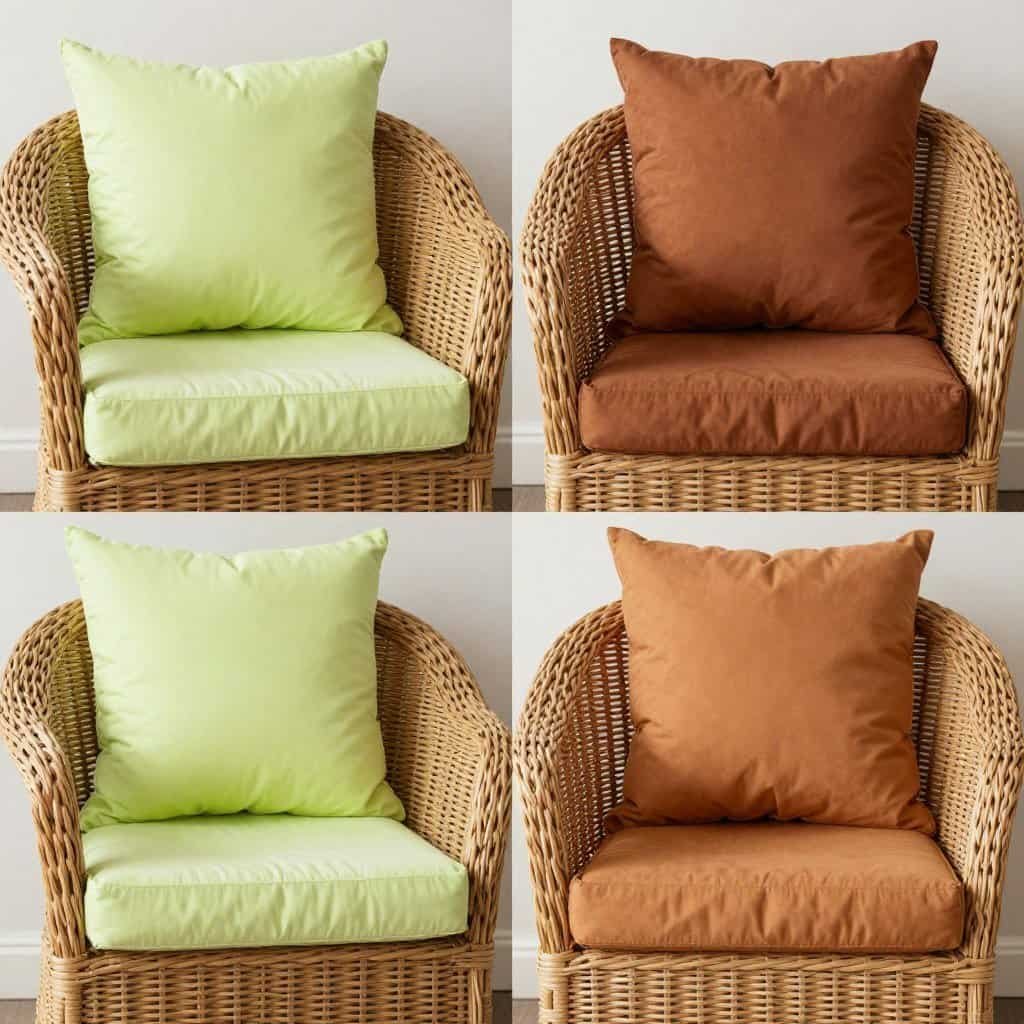
Use cushions to either complement or contrast with your wicker. Neutral cushions let the wicker’s texture shine, while bold colors or patterns make a statement. Consider seasonal cushion covers to refresh your look throughout the year.
Cushion Thickness
Consider the furniture’s purpose when selecting cushion thickness. Dining chairs need thinner cushions for proper posture, while lounge pieces benefit from deeper, softer cushions for relaxation.
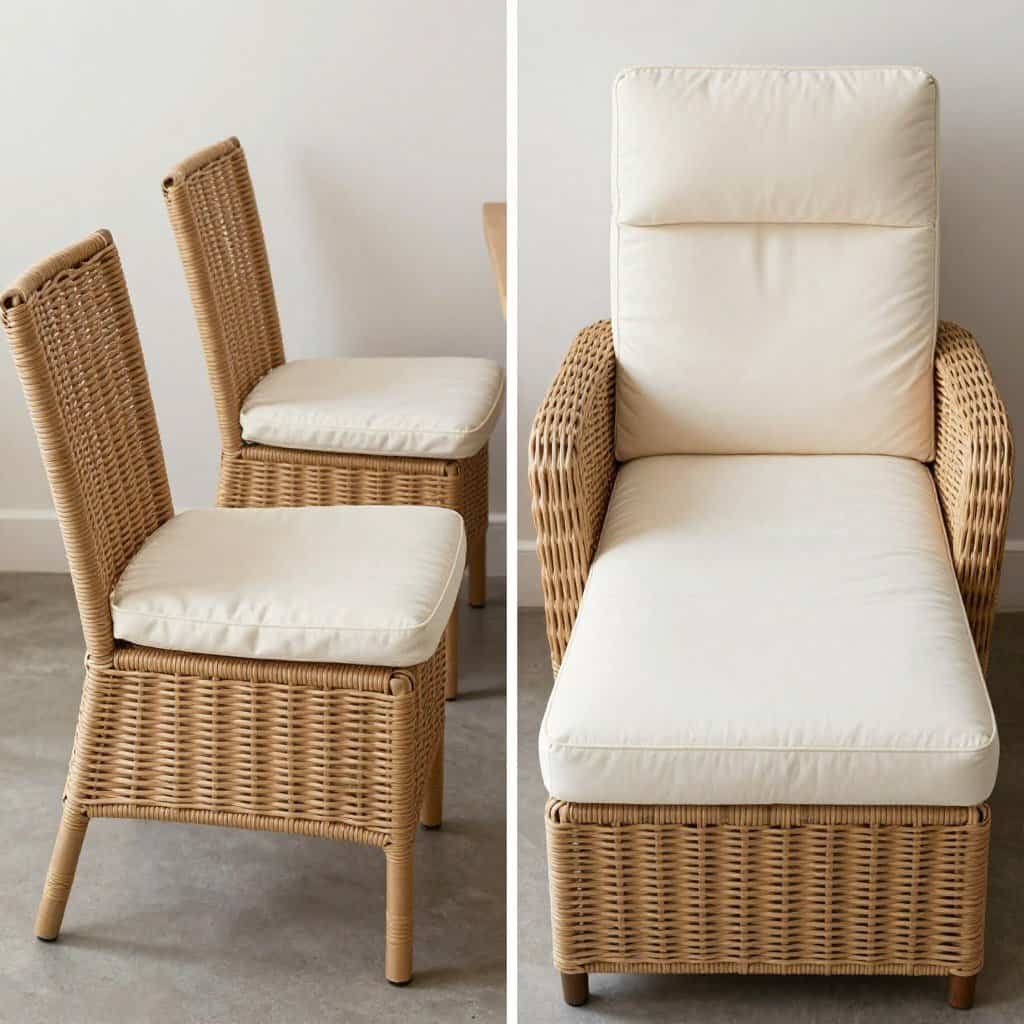
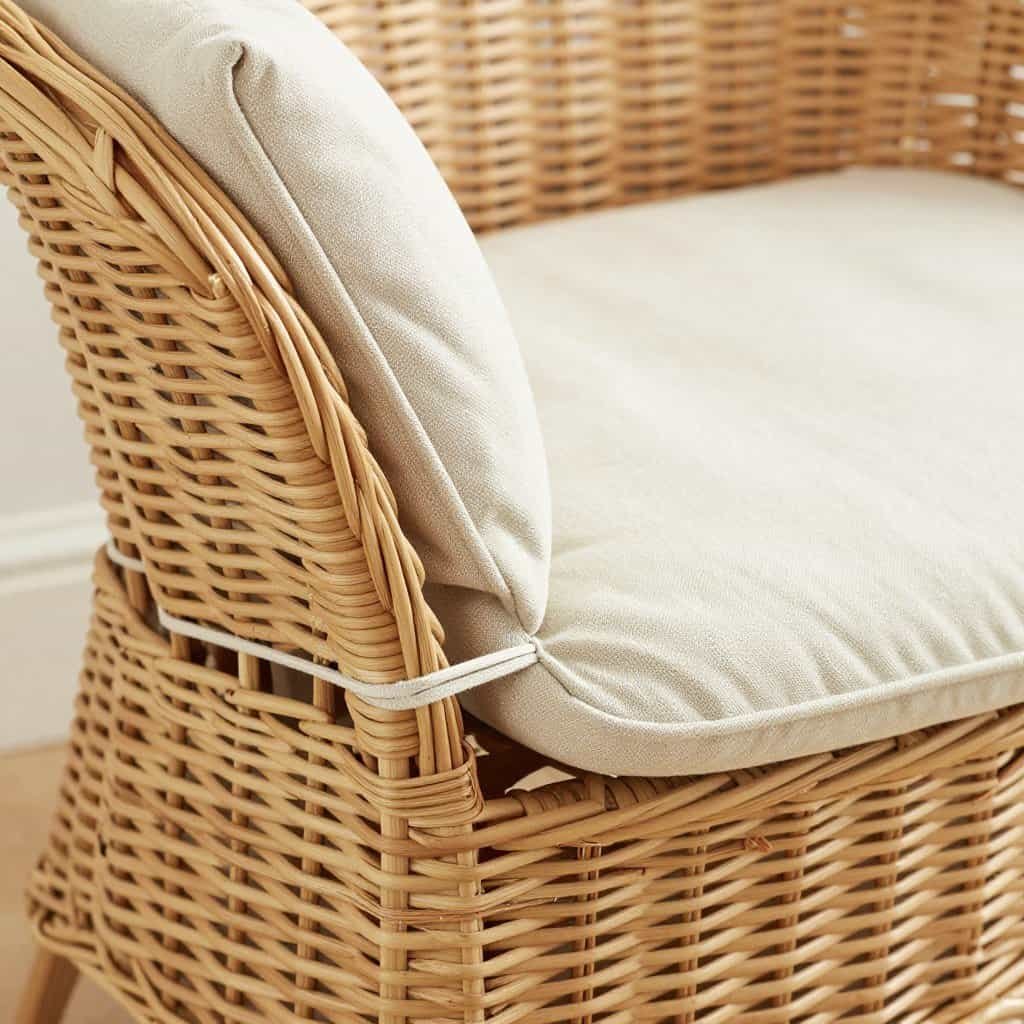
Cushion Attachment
For frequently used pieces, consider cushions with ties or non-slip backing to keep them in place. Removable, washable covers are practical for families with children or pets.
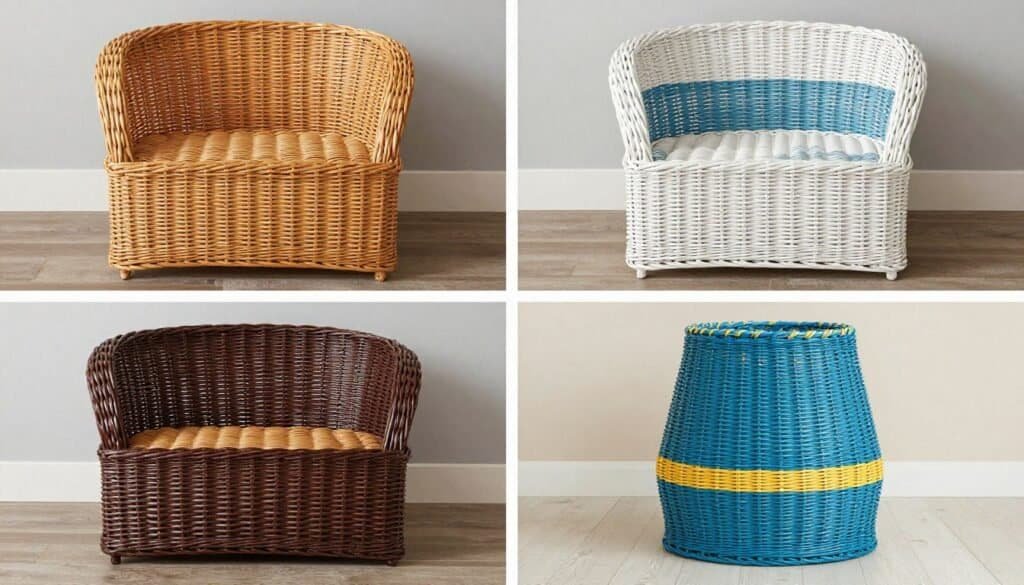
Color Balance
Wicker’s natural tones provide a versatile foundation for various color strategies:
- Natural Wicker: Honey-toned natural wicker works beautifully with earth tones, blues, and greens for a organic, calming palette.
- White Wicker: Crisp white wicker creates a fresh, clean backdrop for coastal blues, soft pastels, or vibrant tropical hues.
- Dark Wicker: Deep brown or black wicker adds sophistication when paired with jewel tones, metallics, or rich neutrals.
- Painted Wicker: For a bold statement, consider colorful painted wicker as an accent piece against neutral backgrounds.
Common Mistakes to Avoid Indoors
While indoor wicker furniture is versatile and durable, certain conditions can significantly shorten its lifespan. Avoid these common mistakes to keep your wicker looking beautiful for years.
Moisture-Prone Rooms
Natural wicker and excessive moisture don’t mix well. Avoid placing untreated natural wicker furniture in these challenging environments:
- Bathrooms: High humidity and direct water exposure can cause natural wicker to warp and develop mold.
- Laundry Rooms: The fluctuating humidity from washing machines and dryers can stress wicker fibers.
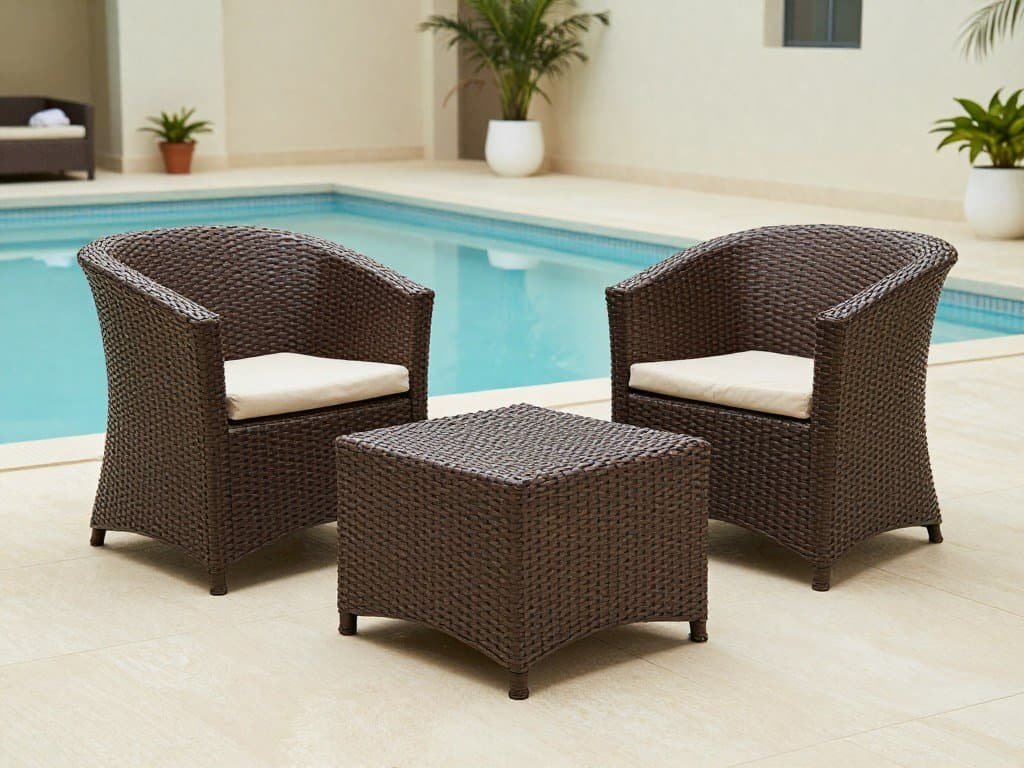
- Pool Areas: Even indoor pool enclosures have moisture levels too high for natural wicker.
If you love the wicker look in these spaces, opt for synthetic wicker specifically designed for high-moisture environments, or choose pieces with sealed finishes that provide better protection.
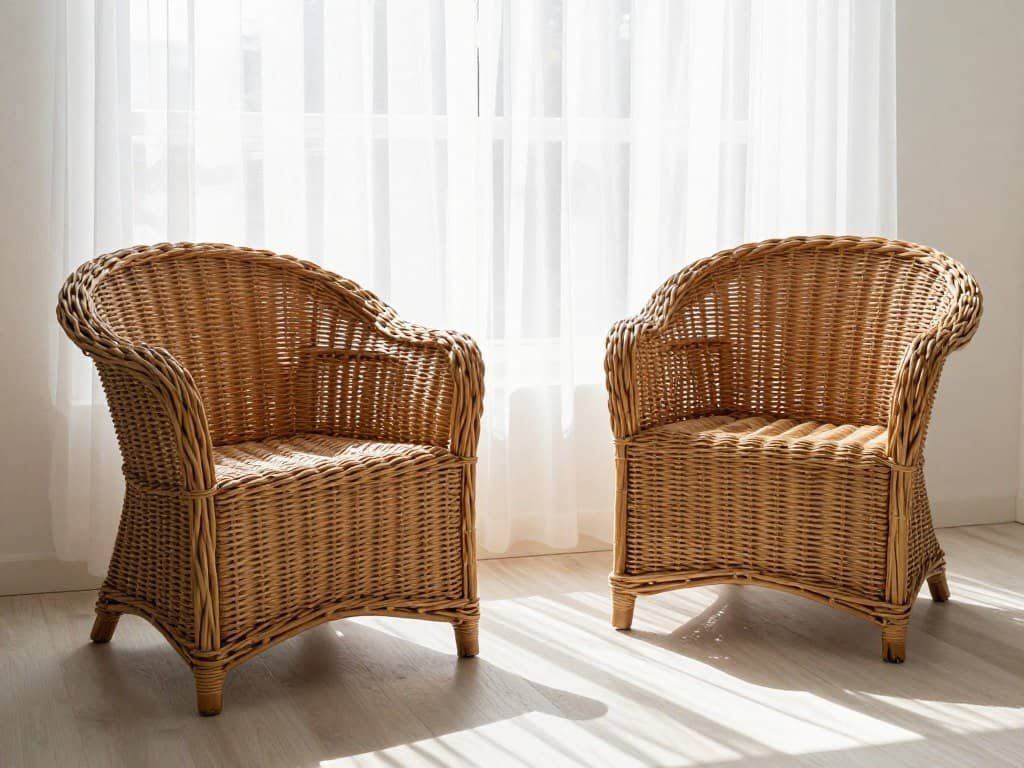
Direct Sunlight Exposure
While wicker is often associated with sunny spaces, prolonged direct sunlight can damage indoor wicker furniture:
- Material Drying: Continuous sun exposure dries out natural fibers, making them brittle and prone to breaking.
- Color Fading: Both natural and painted wicker can fade unevenly when regularly exposed to strong sunlight.
- Structural Weakening: As fibers dry and contract from sun exposure, the overall structure can weaken over time.
Position wicker furniture away from south-facing windows or use window treatments like sheer curtains or UV-filtering film to protect your pieces. Rotating furniture periodically ensures even exposure if some sunlight is unavoidable.
Overloading Weight
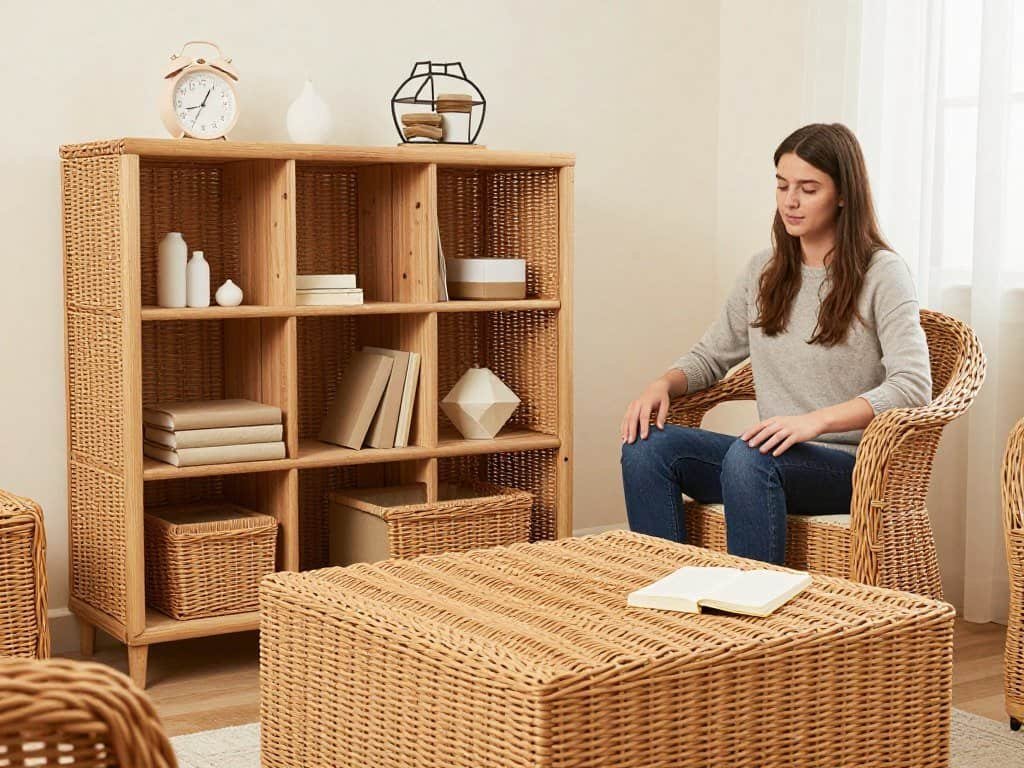
Despite its durability, wicker has weight limitations that should be respected:
- Storage Pieces: Wicker shelves and cabinets shouldn’t hold heavy items like book collections or large electronics.
- Seating Capacity: Most wicker chairs are designed for single occupancy—avoid overloading with multiple people.
- Distributed Weight: Spread weight evenly across wicker surfaces rather than concentrating it in one area.
Check manufacturer weight recommendations for specific pieces, and consider reinforced wicker with solid frames for applications requiring greater weight capacity.
Important Safety Note
Always inspect wicker furniture periodically for signs of structural weakness, especially for seating pieces. Loose weaving, cracked fibers, or unstable joints should be addressed immediately to prevent potential accidents or injuries.
Maintenance Basics for Indoor Wicker
With proper care, indoor wicker furniture can remain beautiful and functional for generations. These simple maintenance routines will help preserve your wicker’s appearance and structural integrity.
Cleaning Routines
Regular cleaning prevents dust buildup and keeps your wicker looking fresh:
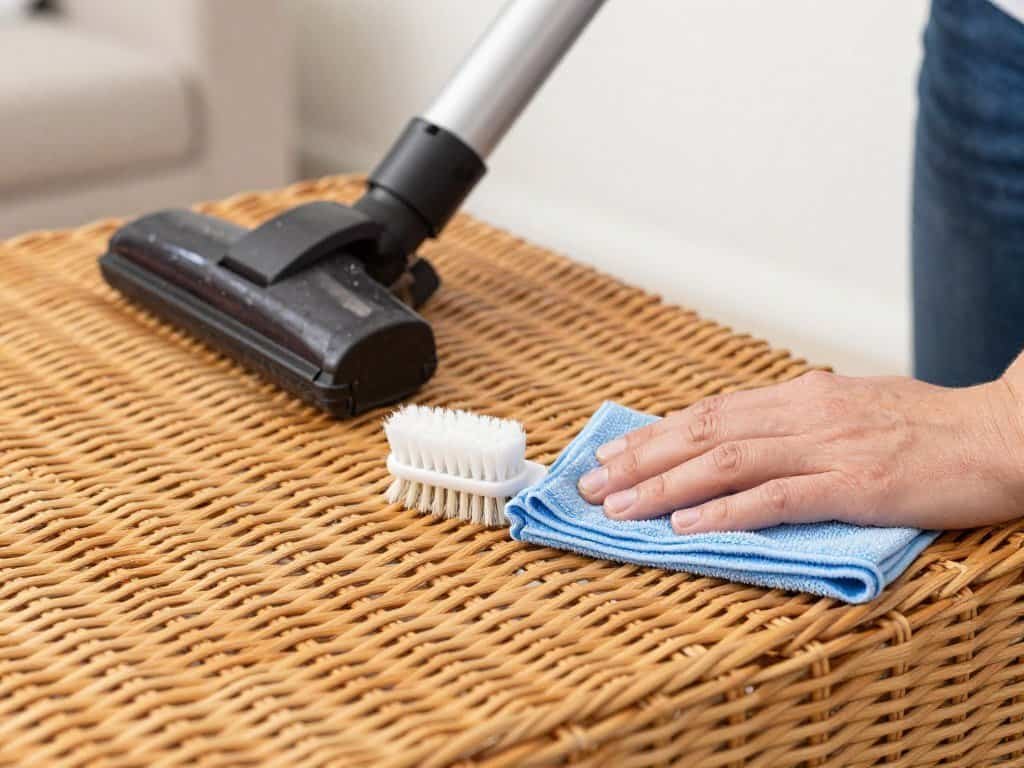
- Weekly Dusting: Use a soft brush attachment on your vacuum cleaner to gently remove dust from woven surfaces.
- Monthly Deep Clean: For natural wicker, wipe with a slightly damp cloth and dry immediately. For synthetic wicker, a mild soap solution can be used for more thorough cleaning.
- Crevice Cleaning: Use a soft toothbrush to reach dirt in tight weaves and corners.
- Cushion Care: Follow manufacturer instructions for cushion covers—many are removable and machine washable.
Seasonal Care
Different seasons present unique challenges for wicker furniture:
Winter Dry Spells
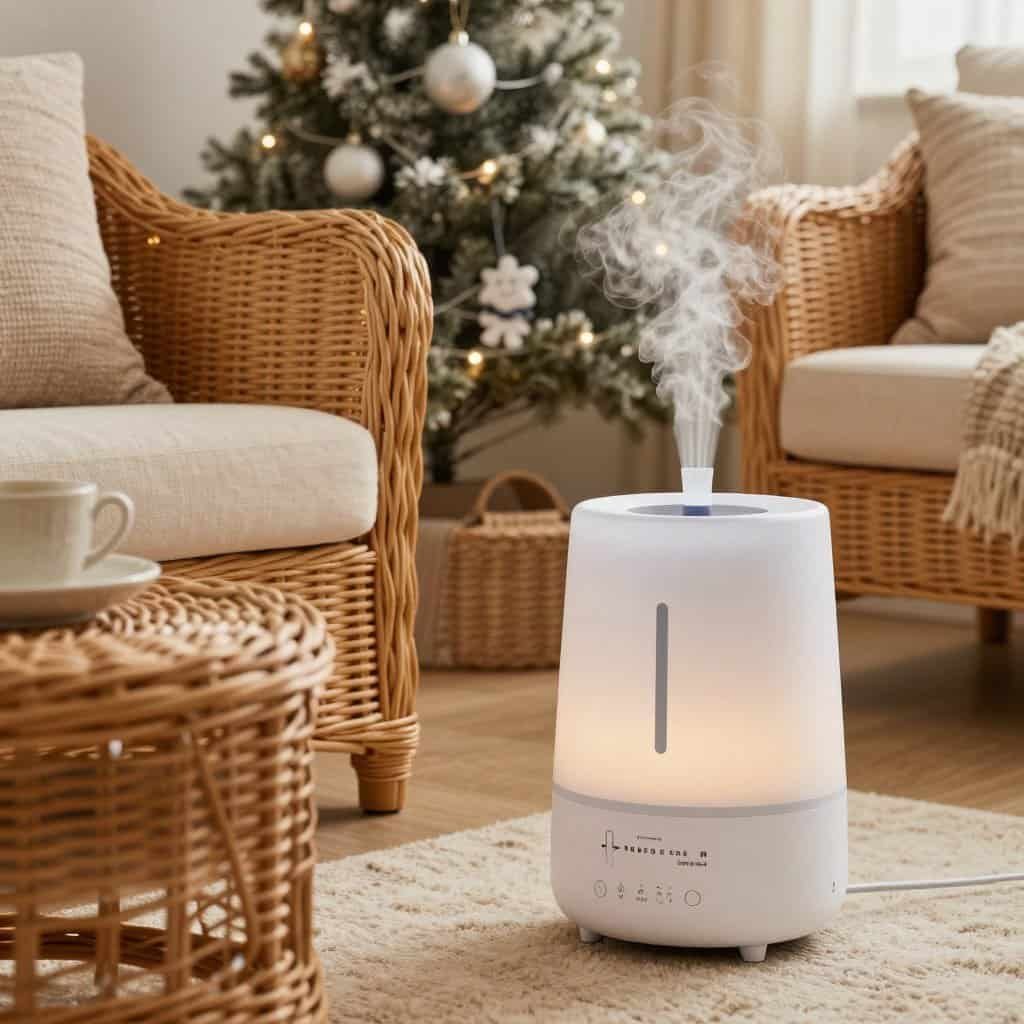
Indoor heating systems can reduce humidity and dry out wicker. During winter months, consider using a humidifier in rooms with wicker furniture, or periodically mist natural wicker pieces with water (drying immediately) to prevent excessive drying.
Summer Humidity
In humid summer months, ensure good air circulation around wicker pieces to prevent mold growth. Use dehumidifiers in particularly damp environments, and inspect wicker regularly for early signs of mildew, which can be removed with a solution of equal parts white vinegar and water.
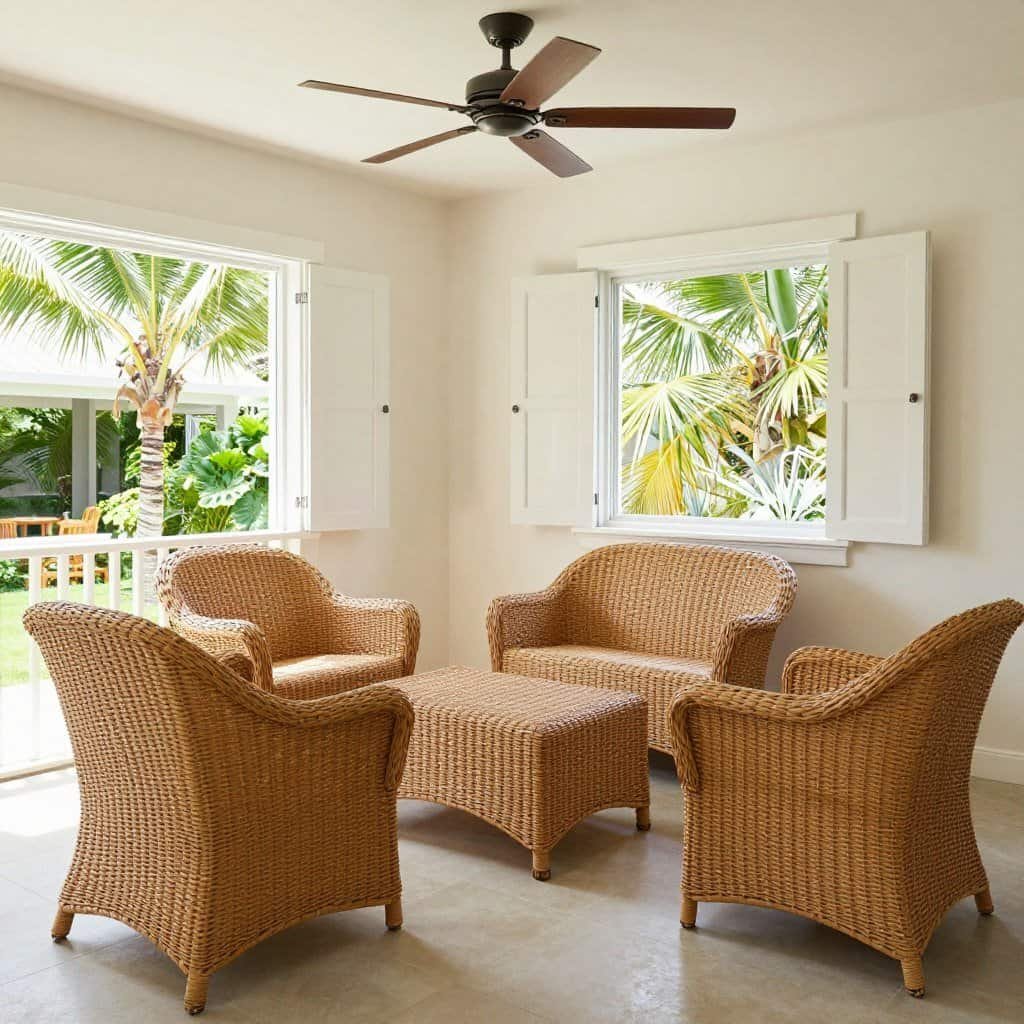
Long-term Preservation
These additional measures help extend the life of your wicker investments:
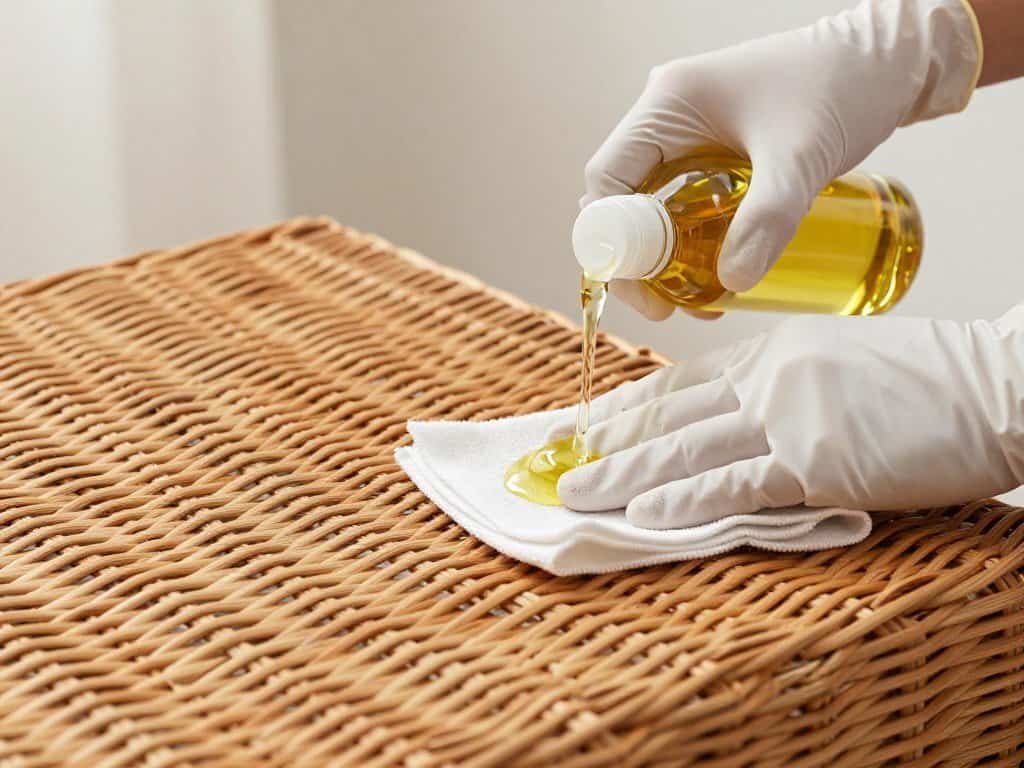
- Conditioning: Apply boiled linseed oil or commercial rattan oil to natural wicker annually to maintain flexibility and prevent drying. Apply sparingly with a soft cloth and remove excess.
- Rotation: Periodically rotate wicker pieces to ensure even wear and exposure, especially for items near windows.
- Prompt Repairs: Address loose weaves or small breaks immediately—small issues can quickly become major structural problems if neglected.
- Professional Restoration: Consider professional restoration for valuable or antique wicker pieces showing significant wear.
- Please read how to do wicker care maintenance.
Embracing the Timeless Appeal of Indoor Wicker
Indoor wicker furniture offers a unique combination of natural beauty, versatility, and practical comfort that few other materials can match. From creating airy, light-filled living spaces to adding warmth and texture to bedrooms and reading nooks, wicker adapts to countless interior styles while maintaining its distinctive character.
By understanding the differences between indoor and outdoor wicker, following proper placement guidelines, and implementing simple maintenance routines, you can enjoy your wicker furniture for decades. Whether you’re drawn to wicker’s casual elegance, its sustainable materials, or its ability to blend with various decor styles, indoor wicker furniture remains a timeless choice that brings natural warmth and texture to any home.
Is wicker furniture good for indoors?
Yes, wicker furniture is excellent for indoor use. Natural wicker materials like rattan and cane bring organic texture and visual lightness to interior spaces. Indoor wicker is comfortable, versatile, and complements virtually any decor style from coastal to modern. When properly maintained, indoor wicker furniture can last for decades while providing both aesthetic appeal and practical functionality.
Where is the best place to use wicker furniture indoors?
Wicker furniture works beautifully in living rooms, bedrooms, sunrooms, and reading corners. Sunrooms and enclosed porches are particularly ideal as they allow wicker to bridge indoor and outdoor aesthetics. Living rooms benefit from wicker accent pieces that add texture without visual weight, while bedrooms gain warmth and character from wicker headboards or seating. The key is placing indoor wicker away from excessive moisture or direct sunlight for maximum longevity.
What are the pros and cons of indoor wicker furniture?
Pros: Lightweight and easy to move, visually airy and doesn’t overwhelm spaces, brings natural texture and warmth, versatile in various decor styles, generally more affordable than solid wood furniture, and environmentally sustainable when made from natural materials.
Cons: Natural wicker requires protection from excessive moisture and direct sunlight, may require more maintenance than some other furniture materials, can be damaged by pets with claws, and lower-quality pieces may not withstand heavy use over time.
How do I protect indoor wicker furniture?
Protect indoor wicker furniture by keeping it away from direct sunlight and heat sources, maintaining moderate humidity levels (not too dry or too damp), dusting regularly with a soft brush attachment, cleaning spills immediately, applying conditioning oil annually to natural wicker, and addressing any repairs promptly. For high-traffic areas or homes with children and pets, consider synthetic wicker options that offer greater durability while maintaining the wicker aesthetic.
1 thought on “Indoor Wicker Furniture: Best Uses, Benefits, and Styling Tips”
Comments are closed.